
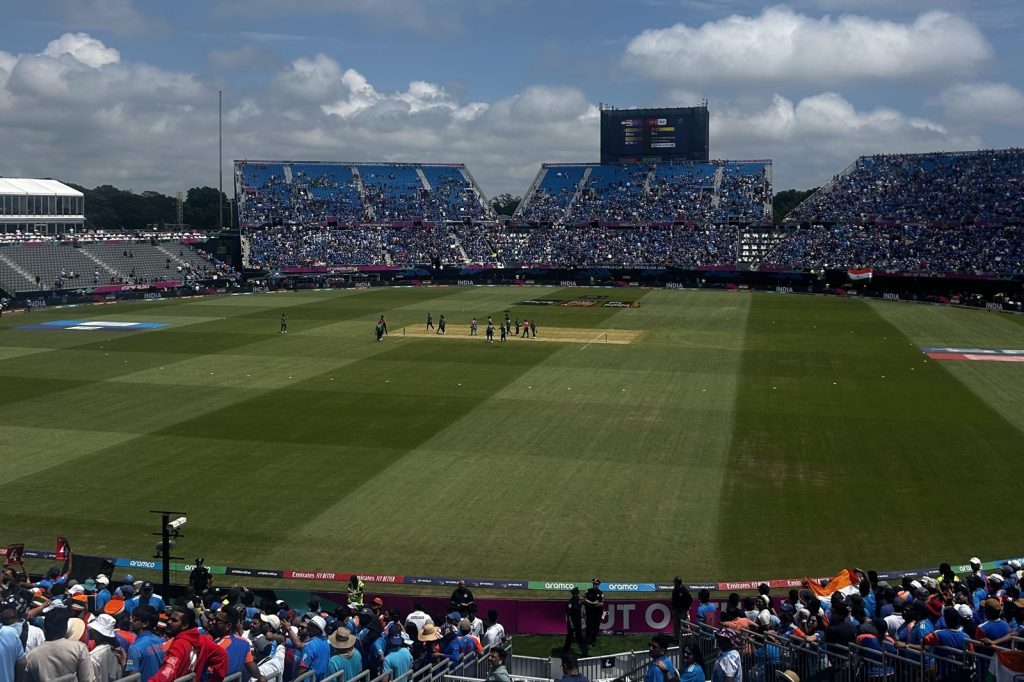
A New Stage for Cricket
The 2024 Men’s T20 World Cup arrived with England as the defending champions, expected to add another trophy to their cabinet. Instead, the side fell in the semi‑finals to India, ending their reign. While that result shifted the balance of power, the tournament’s lasting impression lies elsewhere – in the venues that hosted the matches and the breadth of teams that took the field.
First Major ICC Event on American Soil
For the inaugural time, an ICC flagship competition crossed into the United States. Three venues spread across the country welcomed a combined 190,000 spectators through the turnstiles. That figure was not a coincidence; it reflected a deliberate wager by cricket’s governing body that the American market could embrace the sport. The partnership with Cricket West Indies and USA Cricket represented a logistical challenge, yet the attendance numbers proved the gamble worthwhile. The lingering question is whether this surge of interest will persist once the floodlights are switched off.
Expanding the Field
The tournament also grew in size, moving from sixteen to twenty participating sides. Canada and Uganda earned their maiden appearances, while the United States competed as a co‑host. These inclusions were not symbolic gestures; the ICC intentionally broadened the pathway. Eight of the twenty slots were allocated through regional qualifiers, giving Associate nations a tangible route to the main event rather than a mere possibility. Consequently, the atmosphere resembled a worldwide gathering more than an exclusive club.
On‑Field Variety and Competitive Spirit
The mix of playing styles introduced fresh texture to the group stages. Lesser‑known teams faced off against established powers. Some were overwhelmed, while others managed to hold their ground. Such encounters illustrate how a sport expands – by testing limits and providing opportunities for growth.
India’s Commanding Run
India displayed a clinical approach, winning every match they played. In the summit clash, they edged South Africa by seven runs, a slim margin that belied the consistency of their campaign. Across varying conditions, venues and opponents, the side remained steady, securing their second T20 World Cup crown (having first triumphed in 2007). Their knockout journey included a decisive semi‑final victory over England, which terminated the defending champions’ hold and affirmed India’s return to the pinnacle of the format. Notably, the team avoided a single misstep – a rarity in a short‑format competition where one expensive over can derail an entire bid.
South Africa’s Near Miss
South Africa pushed the champions to the final over, coming closer than they have in recent years. Yet a narrow defeat remains just that – a loss. The seven‑run margin will linger in memory, but the experience underscores the fine line that separates triumph from disappointment in T20 cricket.
Logistics and Legacy
Staging fifty‑five matches across six Caribbean grounds and three American venues presented a complex logistical puzzle, which the ICC managed to solve. The real work, however, begins now. The United States has acquired a platform to nurture interest; Canada and Uganda have secured a foothold on the world stage. The forthcoming qualification cycle is expected to be more intense, as sides that sampled the World Cup will aim to retain their place, while those left out will redouble their efforts.
A Structural Shift, Not a One‑Off
The enlargement of the tournament was not an experimental flash; it signified a structural transformation. Should the ICC continue on this trajectory, the 2026 edition could feature even more teams and a broader geographic footprint. The existing data point toward that direction, indicating that cricket is no longer confined to its traditional Commonwealth and subcontinental strongholds.
Turning Attendance into Progress
The 2024 World Cup demonstrated what is achievable when the sport reaches new audiences and expands its participant base. The challenge for administrators lies in converting the surge of attendance into sustained investment and translating heightened participation into concrete development programs. The tournament offered a proof of concept; the follow‑through will determine whether the momentum endures.
Now count words. Let’s approximate.
We’ll count roughly each paragraph.
Paragraph1: “A New Stage for Cricket” heading not count? We’ll count words in paragraphs only.
Paragraph1: “The 2024 Men’s T20 World Cup arrived with England as the defending champions, expected to add another trophy to their cabinet. Instead, the side fell in the semi‑finals to India, ending their reign. While that result shifted the balance of power, the tournament’s lasting impression lies elsewhere – in the venues that hosted the matches and the breadth of teams that took the field.”
Count: The(1) 2024(2) Men’s(3) T20(4) World(5) Cup(6) arrived(7) with(8) England(9) as(10) the(11) defending(12) champions,(13) expected(14) to(15) add(16) another(17) trophy(18)




