
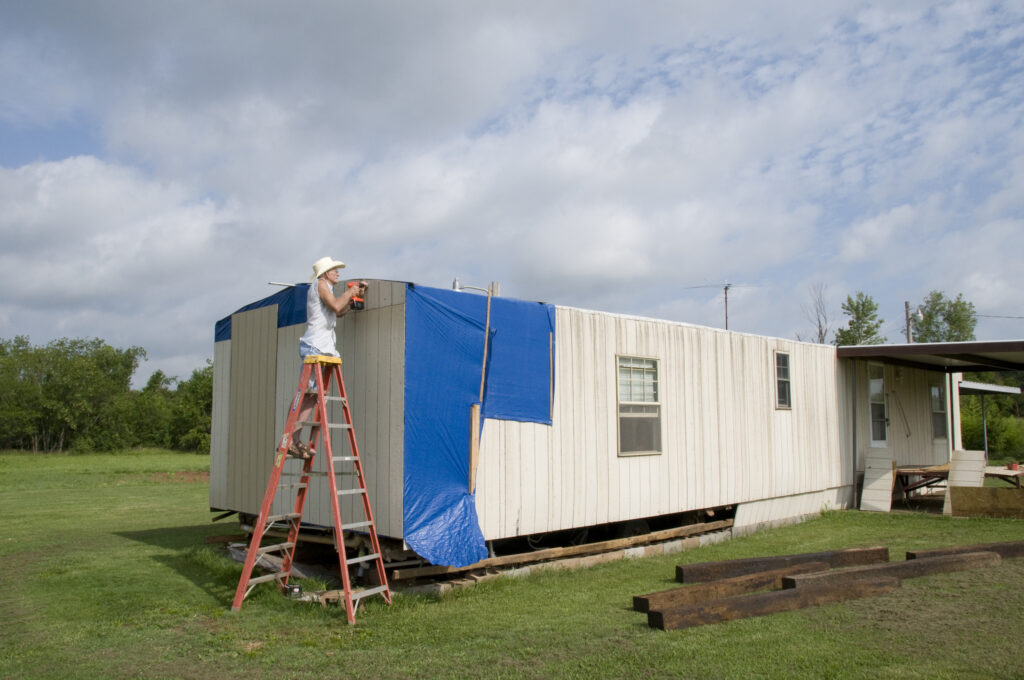
LONDON, September 10 — The story begins with a burst pipe, a cracked joist, or a wall that was never meant to come down. New research from Confused.com’s home insurance experts, released in 2025, has put a number on what happens when British homeowners take on renovations themselves and get it wrong: an average of £270 (about US$340) to put the damage right. The study arrives as appetite for ambitious projects keeps climbing.
Searches for loft conversions reached 25,300 over the past year, and outdoor kitchens drew 26,800 queries across TikTok and Google.
Why homeowners pick up the tools
Money is the main driver. More than half of UK homeowners — 55% — said they choose to do it themselves to save cash, while nearly one in four, 23%, said they simply enjoy the work. What unfolded for many of them was messier than the mood board suggested.
More than a fifth of respondents, 42%, admitted something went wrong while carrying out a renovation themselves. The failures clustered in the most demanding jobs.
Basement or cellar conversions topped the list at 64%, followed by garage transformations at 62% and structural roof repairs or replacements at 59%. These are tasks where a mistake is rarely cosmetic. Among those who made a mistake, 30% reported major damage outside the task itself — a burst pipe being one example — and half, 50%, had to call in a professional to fix the problem.
Regret, and the jobs people wish they had outsourced
Almost one in three homeowners who carried out a major DIY task, 30%, regretted not hiring a professional. Just over one in four, 27%, regretted personally taking on a renovation project at all. Plumbing sat at the top of the regret table, with 58% of homeowners wishing they had avoided it.
Bathroom renovations and basement conversions followed closely, both leaving 57% feeling regret. Replacing windows or doors came in at 54%, roof repairs and conservatory work at 50% each, garage conversions at 48%, extensions at 46%, kitchen replacements at 38%, and flooring or carpets at 37%.
Confused.com warned that homeowners who take on tasks above their skill set risk invalidating their insurance policies. If damage is caused while DIYing a job that requires specific expertise, insurers may not pay out. Homeowners must also notify their insurers before starting major renovation projects that alter the structure or value of their home, or their policy could be invalid.
Yet more than one in four respondents, 28%, could not identify which projects required notifying their insurance provider. The research advises homeowners to inform their insurer before starting structural changes, layout alterations, or loft, cellar, or basement conversions, and to take out contents insurance to protect personal possessions during renovations.
For those involved, the arithmetic is unforgiving: the savings that motivated the work in the first place can disappear into a repair bill, a professional callout, or a claim that never gets paid. What to watch next is whether the search interest in loft conversions and outdoor kitchens translates into more homeowners picking up the phone to their insurer before they pick up a hammer.




