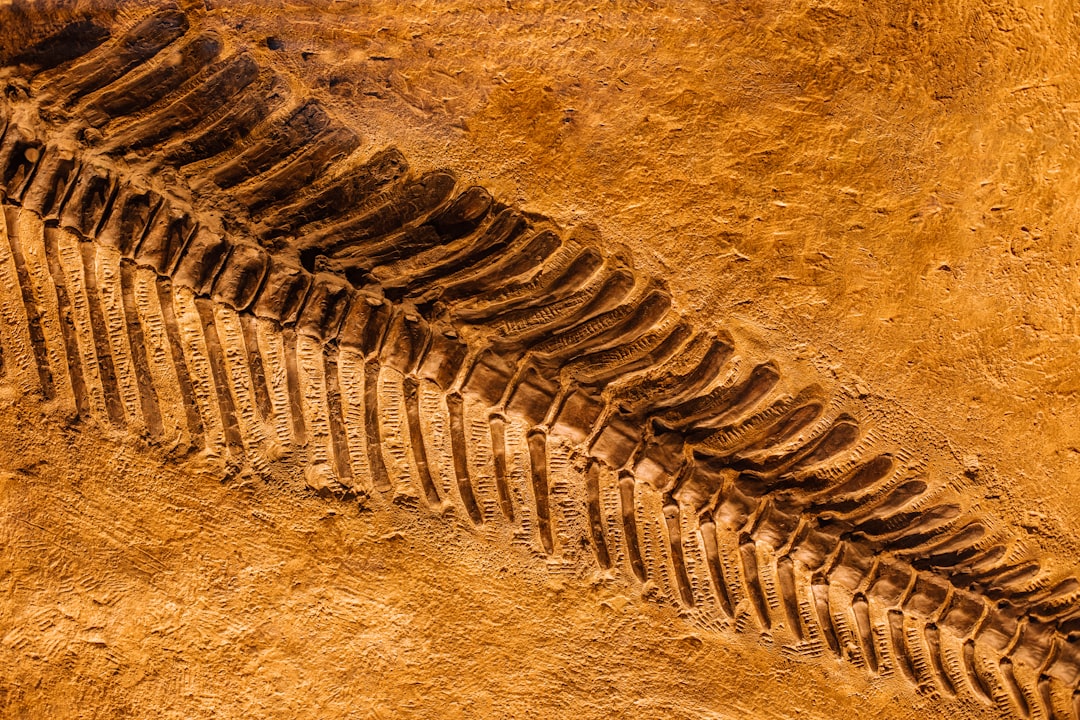
Deep greens and magentas. Not the colors one usually associates with a creature that lived alongside dinosaurs. But a fossil unearthed in northeastern China is forcing paleontologists to rethink that picture.
The specimen belongs to Sinopterus dongi, a pterosaur species. Researchers used scanning electron microscopy to examine the creature’s hair-like pycnofibers. Inside those fibers, they found layered arrays of pigment-bearing structures called melanosomes. The arrangement closely mirrors what produces iridescence in modern bird feathers. Think starlings. Pigeons. The shifting, shimmering effect is the same.
This matters beyond mere aesthetics. The presence of such organized melanosomes points to warm-bloodedness. The structures match patterns seen in birds and mammals with elevated metabolisms. For years, paleontologists have debated whether pterosaurs were cold-blooded or warm. This fossil tilts the argument sharply toward the latter. Sophisticated thermoregulation appears to have been part of the package.
Computer simulations based on the melanosome arrangement predict that Sinopterus dongi would have displayed deep greens and magentas. The colors would have shifted with viewing angle. A shimmering, iridescent animal.
The behavioral implications are significant. Iridescent displays in modern birds serve one primary function: courtship. Males use flashy colors to attract mates. The same logic likely applied here. These flying reptiles may have used their shifting hues in social and reproductive signaling. That would make iridescence far older than birds themselves. Pterosaurs were the first vertebrates to achieve powered flight. They may also have been the first to use color as a mating display.
One leading paleontologist called the find among the most intriguing fossil discoveries of recent years. The statement is not hyperbole. Fossils rarely preserve color. They preserve bone, sometimes skin impressions, rarely soft tissue. To find not just pigment structures but organized arrays of them is exceptional. It adds vivid new color to how the first flying vertebrates may have looked.
The specimen came from northeastern China. That region has produced some of the most important feathered dinosaur and early bird fossils in the world. The preservation conditions there are unusual. Fine-grained sediments buried animals quickly, locking in details that decay elsewhere. This fossil is another product of that geological luck.
Where does this leave the field? The finding reinforces the idea that pterosaurs were not primitive, clumsy fliers. They were sophisticated animals with complex biology and behavior. Iridescence implies visual communication. Visual communication implies social structures. Social structures imply intelligence. Each inference builds on the last.
Further research into the fossil record will test these ideas. More specimens, more scanning electron microscopy, more computer simulations. The technology to detect melanosome patterns is relatively new. Many existing fossils may contain similar evidence, waiting to be found.
For now, the image of a shimmering, green-and-magenta pterosaur courting a mate in a Jurassic forest is no longer speculation. It is a grounded scientific inference. The past just got more colorful.