Traveling with children offers irreplaceable memories, yet the return home often brings a wave of exhaustion fueled by immediate household demands. Managing the transition from vacation mode back to daily life requires strategic preparation to avoid the common post-trip burden of massive laundry piles and the pressure to prepare dinner the moment you walk through the door.
Strategic Clothing Management for Short Trips
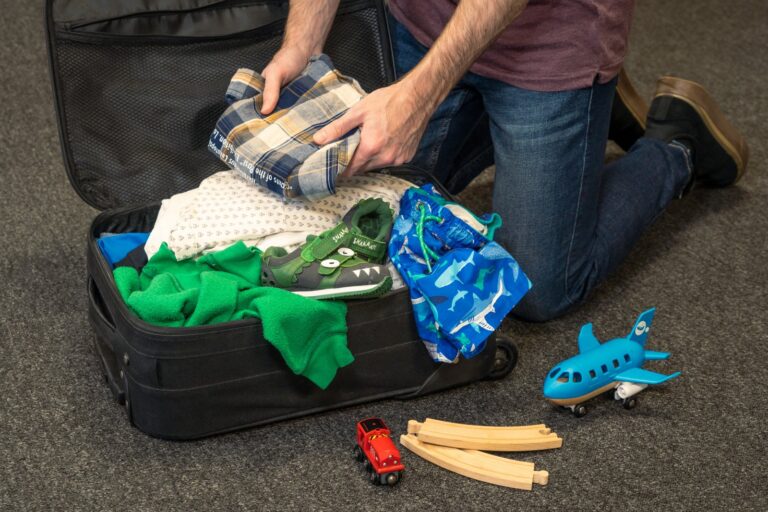
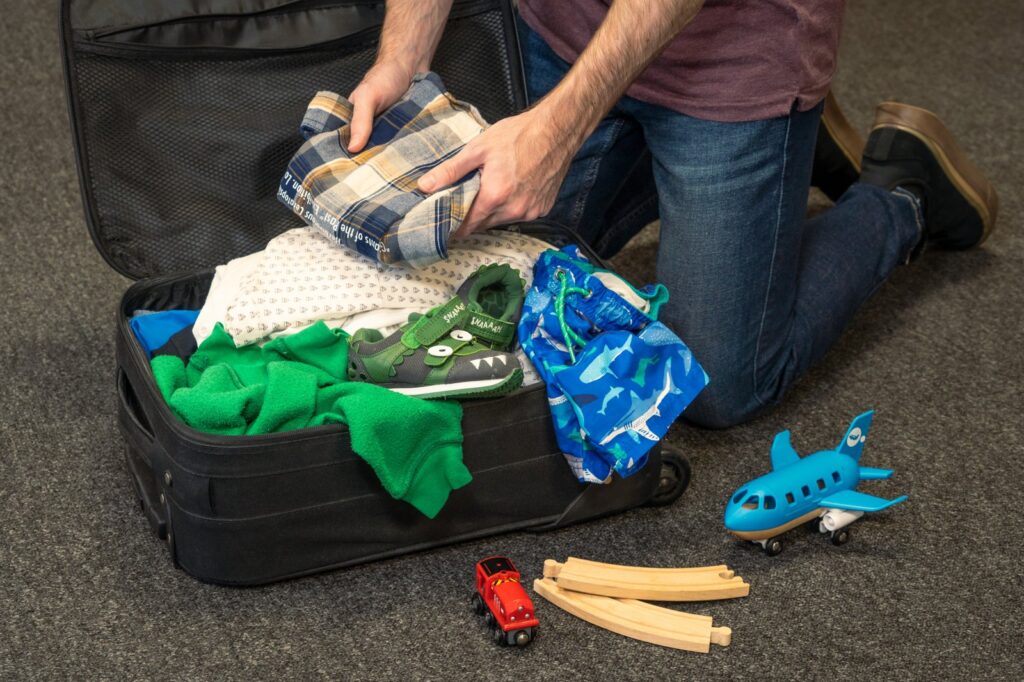
For families embarking on short getaways, such as a one-night or two-day domestic excursion, minimizing luggage is a common goal. According to reports on travel organization, parents often face the challenge of children’s clothing becoming dirty during active play, which necessitates bringing more items than initially planned. To mitigate the post-trip laundry load, one effective strategy involves the use of mix-and-match outfits or clothing that parents intend to discard.
By selecting garments for the second day of a trip that are already slated for disposal, families can simply discard these items at their destination rather than packing them for the return journey. While some parents may worry about the appearance of these clothes in vacation photos, stains are often less noticeable in pictures than one might expect. For those looking to further reduce laundry, disposable underwear is available for both children and adults. It is advisable to test these products before travel to ensure comfort and personal preference. If discarding clothing at a hotel, parents may also inquire if the staff can assist with the process as a final resort.
Managing Laundry During Extended Journeys
Longer trips naturally result in a higher volume of soiled clothing due to sweat and daily activity. Bringing this accumulation of laundry home creates a significant backlog that can overwhelm parents immediately upon their return. To prevent this, it is recommended that families utilize local laundry or dry cleaning services at their travel destination before heading home.
Processing clothes while still on the road ensures that families return with clean items, effectively clearing the chore list before the journey concludes. This proactive approach helps avoid the cycle of washing, drying, and folding that often consumes the first few days back at home. By shifting the timing of these chores, parents can focus on settling back into their routine rather than being immediately confronted by household maintenance.
Reframing the Post-Travel Experience
The stress associated with returning from a trip is often compounded by the need to manage health, energy levels, and the logistics of meals and bathroom breaks during the travel itself. According to travel documentation, the transition is frequently made more difficult when parents must immediately tackle tasks like organizing backpacks or preparing dinner upon arrival. A messy home environment upon return can further exacerbate this feeling of being overwhelmed.
Parenting involves a wide range of responsibilities that extend well beyond the logistics of travel. As noted in general parenting research, child-rearing promotes physical, cognitive, and social development from infancy to adulthood. While biological parents are the most common care providers, the role is also filled by grandparents, legal guardians, and other family members. Parenting styles, which range from authoritative to permissive, can significantly influence a child’s mental health and well-being. Understanding these dynamics is helpful, as families often navigate different stages of life, including periods where adult children return to live at home.
Maintaining Boundaries and Household Order
The challenges of household management are not limited to travel, as families often face friction when adult children live at home. Successfully navigating this living arrangement requires clear communication regarding expectations, such as financial contributions and household chores. Parenting experts suggest that treating the situation like a housemate arrangement can help prevent the common trap of reverting to childhood dynamics, where parents feel the need to manage every aspect of the child’s life.
Whether managing a temporary return from a holiday or a long-term living arrangement, the key to reducing stress lies in setting clear boundaries and planning ahead. For parents, the encouraging part is that small adjustments to travel preparation can have a significant impact on post-trip recovery. By addressing laundry and organizational tasks before returning home, parents can protect their time and energy, allowing them to enjoy the benefits of their experiences without the immediate pressure of household chores. As with any change to family routines, it is helpful to remain flexible and observe what works best for your specific circumstances. If you find that these adjustments do not sufficiently alleviate your stress, you should consult your doctor or a family counselor for personalized strategies on managing household expectations and mental well-being.
Understanding Parenting Styles And Their Impact
Parenting styles can significantly influence a child’s mental health and well-being, and understanding these dynamics is crucial for effective parenting. According to Diana Baumrind, a developmental psychologist, there are four main parenting styles: authoritative, authoritarian, permissive, and uninvolved. Research has shown that authoritative parenting is positively related to mental health and satisfaction with life, while authoritarian parenting is negatively related to these variables.
Parenting styles are not only influenced by personal preferences but also by historical period, culture, social class, and other social factors. For instance, cultural values play a major role in how a parent raises their child. As times, cultural practices, social norms, and traditions change, parenting is always evolving. Recognizing the impact of parenting styles on child development can help parents make informed decisions and adapt their approach to meet the unique needs of their child.
Sources
- How to make traveling easier for parents? Tips to reduce housework after returning home|親ラク旅 | 子育てと旅の記録
- Parenting
- Crowded nest? How parents and their adult kids can live together in peace
Photo: Familydestinationsguide.com Images (CC BY 2.0)