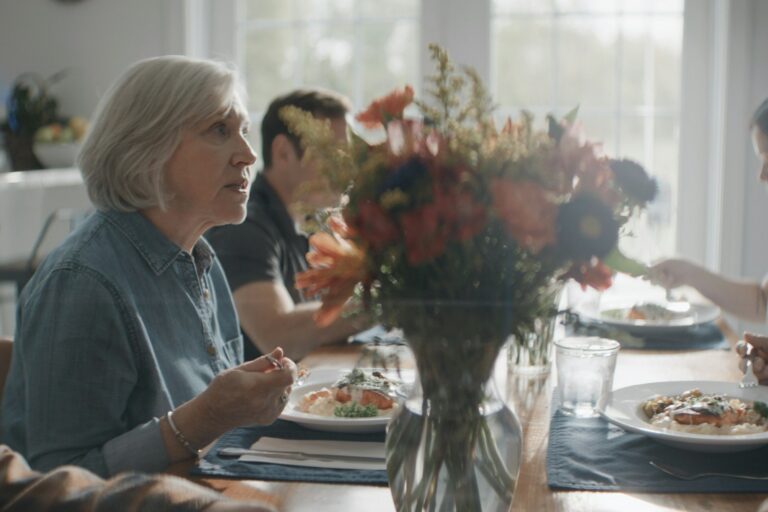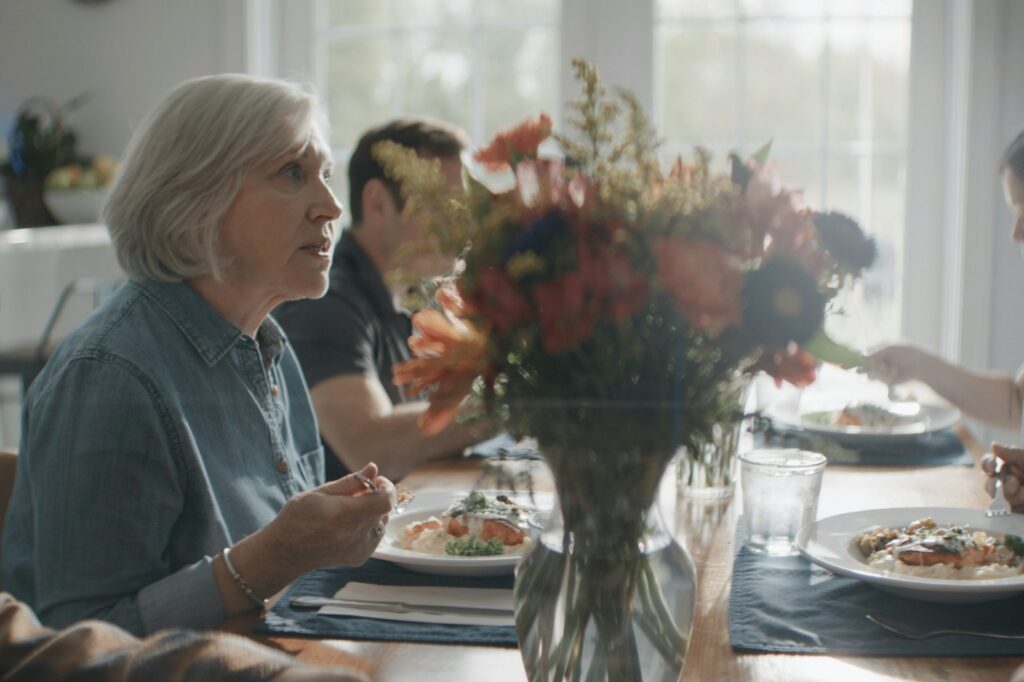
Twelve-year-olds increasingly prioritize peer relationships over family obligations during holidays, creating a specific dilemma for parents navigating Thanksgiving traditions. A recent inquiry to Slate’s Care and Feeding advice column highlighted this tension when a parent sought guidance on handling a 12-year-old son who requested to skip a family gathering to visit a best friend instead.
The Shift Toward Peer Priority at Age Twelve
Children around age 12 naturally care a lot about friends and become increasingly focused on peer relationships. This developmental stage marks a significant shift where social circles begin to outweigh the immediate family unit in a child’s daily hierarchy. It is not that the family has become unimportant, but rather that the child’s world expands to include these new connections as a primary source of identity and validation.
The specific case involves a mother who felt Thanksgiving was strictly for family togetherness while her husband suggested letting the boy go. This disagreement underscores how parents often face conflicting views on autonomy versus tradition during holiday planning. The inquiry noted that by age 12, kids will naturally care a lot about their friends and be increasingly focused on those relationships.
Evaluating Underlying Reasons for Opting Out
Before enforcing attendance or granting permission, parents should first rule out any underlying reasons why a child might be uncomfortable visiting grandparents. While the desire to see a friend is valid, there may be other factors such as travel fatigue or genuine discomfort within the household of relatives.
If the request stems solely from the hassle of travel, that is a legitimate concern for a preteen. However, if the child has some other reason to be uncomfortable either in their presence or at their house, parents should pay attention to that and not force them to go until they understand what is going on.
It is important to distinguish between a desire for novelty and genuine distress. Forcing a child to attend an event where they feel unsafe or overwhelmed can damage trust and worsen future holiday dynamics. Understanding the root cause allows parents to address the specific issue rather than treating it as simple rebellion.
Strategies for Compromise and Unified Parenting
Parents can either hold firm on attendance with plans to see friends later in the weekend, or choose to allow the visit if open to compromise. The advice column suggested that telling a son tough luck is an option, but so is allowing the visit if the parents are willing to negotiate.
The main thing parents probably want to avoid is making it a huge deal or fighting over it once the decision is made. Once the decision is reached, do not keep talking about it, or get mad at or guilt your son for asking to go to his friend’s house.
You and your spouse should first reach a decision together, and then let the child know what it is. Disagreements between parents on this matter can confuse the child and lead to power struggles. The husband in the cited case was not out of line for suggesting flexibility, but the mother felt differently regarding the importance of the holiday gathering.
Avoiding Power Struggles During Holiday Planning
The bottom line is that parents need to get used to their children’s friends becoming their priority for the next several years. This is a natural progression in child development that requires adjustment from the adult caregivers rather than a sudden change in family values.
Investors will note that maintaining long-term relationships often requires flexibility, and parenting follows similar principles during these transitional years. By the numbers, the holiday season sees a spike in requests for autonomy as children seek to define themselves outside the home environment.
The figure that matters is the preservation of family bonds without creating resentment. If a child feels coerced into an event they dislike, it can lead to long-term avoidance behaviors that hurt family connections more than skipping one meal would. Conversely, allowing a visit with a friend reinforces trust and shows that the parent respects the child’s growing independence.
Local agencies are also seeing a rise in requests for food assistance from older adults in the community, highlighting how holiday stress affects various demographics differently. While this specific statistic relates to food insecurity, it reflects broader societal pressures on families during the season. Supporting community initiatives can also provide alternative gathering spaces if family dynamics become too strained.
Richland County Youth and Family Council and local partner agencies are once again joining forces to bring warmth and support to families this Thanksgiving through the Doing Good Together initiative. This program provides 400 Thanksgiving food boxes to households across Richland County, demonstrating how communities can step in when family structures face challenges.
The partnership between Richland County Youth and Family Council, Richland County Children Services, the Mansfield Police Department, and the Ohio District 5 Area Agency on Aging Inc., and Mid-Ohio Educational Service Center reflects the true spirit of the holiday season – support, connection, and community. Such resources can offer a safety net for families where traditional gatherings are not feasible or desired.
Conclusion: Flexibility Preserves Family Bonds
The ultimate goal is to maintain relationships while respecting the child’s developmental needs. By focusing on the underlying reasons for the request and avoiding power struggles, parents can navigate these moments with grace. The holiday season offers an opportunity to teach children about balance between family obligations and personal interests.
Practical life advice suggests that well-being often comes from flexibility rather than rigid adherence to tradition. If a child opts out of a gathering for a valid reason, it does not mean they do not love their family. It simply means they are navigating the complex social landscape of adolescence.
Parents should remember that every family dynamic is unique, and what works for one may not work for another. The key is open communication and mutual respect between parents and children during these high-stakes holiday moments. With patience and understanding, families can find a new normal that honors both tradition and individual growth.
Sources
- Thanksgiving (Family Guy)
- My Son Wants to Opt Out of Family Thanksgiving. He’s 12!
- Local agencies to provide 400 Thanksgiving dinner boxes for Richland County families
Photo: The Ridge Ohio / Unsplash (Unsplash License)