Polls open Tuesday, Nov. 3, for the 2026 midterm elections, and the mechanics of casting a ballot that actually gets counted matter as much as the candidates at the top of the ticket. All 435 House seats and 33 or 34 of the 100 Senate seats are up, according to the standard midterm calendar, along with 36 governorships and thousands of state and local races.
Here is what is on the ballot, where the closest fights are, and how to make sure your vote lands.
What the Midterms Actually Decide
Midterms fall near the midpoint of a president’s four-year term, on the Tuesday after the first Monday in November. Every House member faces voters, since House terms run two years, while Senate seats are split into three classes so roughly a third of the chamber is elected every two years.
Control of Congress decides how easily President Donald Trump can carry out his plans, and voters and analysts read the results as a measure of how satisfied the country is with his performance so far. Thirty-four of the 50 states elect governors to four-year terms in midterms, and Vermont and New Hampshire elect governors to two-year terms in both midterm and presidential years, for 36 governorships in total. Mayors, local offices and ballot initiatives fill out the rest of the ballot, and special elections held alongside the regular ones can put additional senators, governors and local officials into partial terms.
The House: A Map That Leans Toward Democrats
Republicans hold a narrow 218-214 advantage in the House, and in a midterm environment that disfavors the party in power, that edge appears all but certain to give way to Democratic control, according to NPR. The latest Cook Political Report ratings have Democrats favored in 220 seats, 17 listed as toss-ups, and another 30 potentially competitive but leaning Republican.
Democrats need a net gain of four seats to win control, NBC News reports, and to get there they must win in multiple states Trump carried in 2024, some by double digits. The final competitive landscape is wide: NPR’s analysis found 70 districts where both parties are putting at least six figures per district into their closing messages, including more than $10 million each in toss-up districts in Michigan, North Carolina, New York and Florida.
Several races have tightened late. Pennsylvania’s 1st Congressional District, where incumbent Brian Fitzpatrick, the last House Republican in the Philadelphia suburbs, is fighting a challenge from Bucks County Commissioner Bob Harvie, moved from “Lean Republican” to “Toss Up” in Cook’s final rating changes, the Philadelphia Inquirer reported. Seats held by Democratic Reps. Adam Gray of California, Nellie Pou of New Jersey and Marie Gluesenkamp-Perez of Washington, and the open seat of retiring Republican Rep. Don Bacon of Nebraska, have all seen Republicans cut ad reservations in recent weeks, according to AdImpact data cited by NPR.
The political backdrop is rough for the party in power. An NPR/PBS News/Marist poll found Democrats with a 10-point advantage among registered voters and 8 points among likely voters on the generic congressional ballot. Cost of living remains the top concern for voters, with rising gas prices, tariffs and the ongoing war in Iran weighing on household budgets, NPR reported. A record number of congressional retirements and an anti-incumbency streak in primaries have added to the churn, and mid-decade redistricting after a Supreme Court decision that further rolled back part of the Voting Rights Act scrambled the map in several states.
Senate and Governor Races Worth Watching
The Senate fight is playing out largely on Republican-held turf. The average of all polls shows the same lead, giving Democrats an edge in more solidly Republican Senate seats than the party flipped in 2006 and 2008 combined.
Governorship contests in California, Florida, Georgia and Michigan are among the most closely watched, both for their effect on state policy and for their implications for the next presidential election, the BBC reported. Abortion access and data centers are among the issues driving those down-ballot races, according to NBC News.
Turnout: Why Your Ballot Carries Extra Weight
Midterms historically draw far fewer voters than presidential years. Presidential turnout has run about 50 to 60 percent over the past 60 years, while only about 40 percent of those eligible go to the polls in midterms. That gap is one reason midterm results often break against the president’s party: the electorate that shows up is smaller, and its age, partisan and racial mix can differ from a presidential year.
Media coverage tends to be thinner too, because there is no single high-profile race dominating national news. Most state and local contests depend on local coverage. For a voter, that math cuts both ways: fewer people deciding means each ballot cast carries more weight in the outcome.
How to Register and Vote Early
Registration rules vary by state, and the deadlines are hard. In Pennsylvania, the deadline to register for the 2026 midterm was Oct. 19, and the commonwealth does not allow registration at the polls or on Election Day, CBS News Philadelphia reported. If you missed a deadline in your state, check your local elections office for the rules where you live.
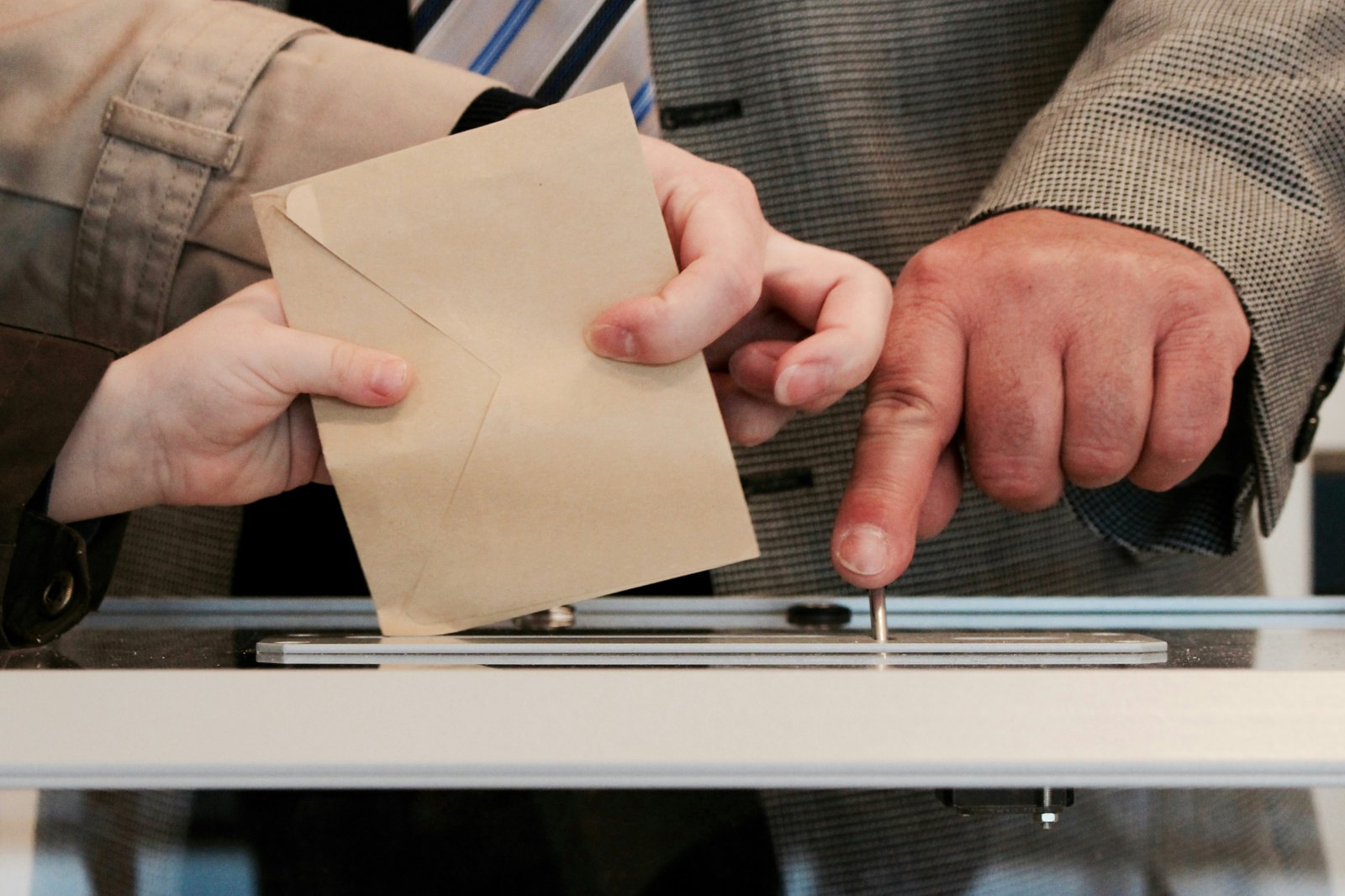
Early voting and mail voting have their own cutoffs. In Pennsylvania, voters casting a mail-in ballot had until 8 p.m. on Tuesday, Nov. 3, to get the filled-out ballot to their county board of elections. The deadline to apply for a mail-in ballot had already passed by Election Day; voters who missed it can still vote in person or request a ballot at their county elections office.
Finding Your Polling Place and What to Bring
You cannot vote just anywhere in your county. In Pennsylvania, you must go to the polling place assigned to your address. The Pennsylvania Department of State has your registration and polling location on file, and the online tool at PAVoterServices.PA.gov will return the name and address of your polling place when you enter your registered address. Take note of the “ward” and “division” listed in the results, since one location may serve several, and report to the poll workers handling yours. They will have the poll book with your name and can walk you through casting a ballot.
If you are voting at a polling location for the first time, you must bring a valid form of ID, such as a driver’s license. Polling places in Pennsylvania are open from 7 a.m. to 8 p.m. on Election Day, and anyone in line by 8 p.m. is legally entitled to cast a ballot.
Mail-In and Absentee Ballots: The Rules That Trip People Up
Do not drop a mail-in ballot at your polling place. Poll workers there cannot accept it. In Pennsylvania, mail ballots go to your county elections office or a secure drop box designated by county officials by 8 p.m. on Election Day, and a county-by-county list of return locations is posted on the Pennsylvania Department of State’s website.
Only you can return your ballot. Voters with a disability can designate someone in writing to deliver it on their behalf. If you show up at the polls with a mail ballot you have not returned, you can surrender it, sign a declaration and vote in person instead.
Poll Monitors and What to Expect at the Polls
The U.S. Department of Justice plans to send election monitors to polling places in Philadelphia and three other Pennsylvania counties on Election Day, the Inquirer reported. Federal monitors are not unusual, but the plan drew attention because of Trump’s record of disputing election results. The DOJ, run by Todd Blanche, Trump’s former personal attorney, said the goal is to make sure federal law is followed. The Pennsylvania Department of State, which oversees elections in the commonwealth, shared some of the DOJ’s communications and its plans.
For voters, the practical takeaway is unchanged: know your assigned polling place, bring ID if you are a first-time voter there, and if you are in line at 8 p.m., stay in line. Your ballot is legally yours to cast.
Sources
- United States midterm election
- These are the House races to watch in the 2026 midterm election on Nov. 3
- Midterms 2026: Congress Polls and More
- Election updates: Two Pa. House races shift towards Democrats; Trump admin to send poll monitors to Philly
- Where can you vote in Pennsylvania? How to find your polling place for the 2026 midterm elections
- US Midterm elections results 2026: Simple guide on how to vote plus wetin to sabi – BBC News Pidgin
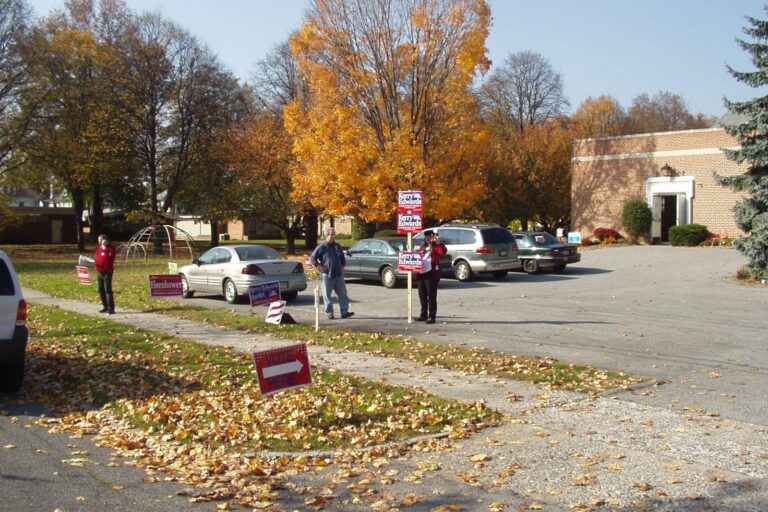
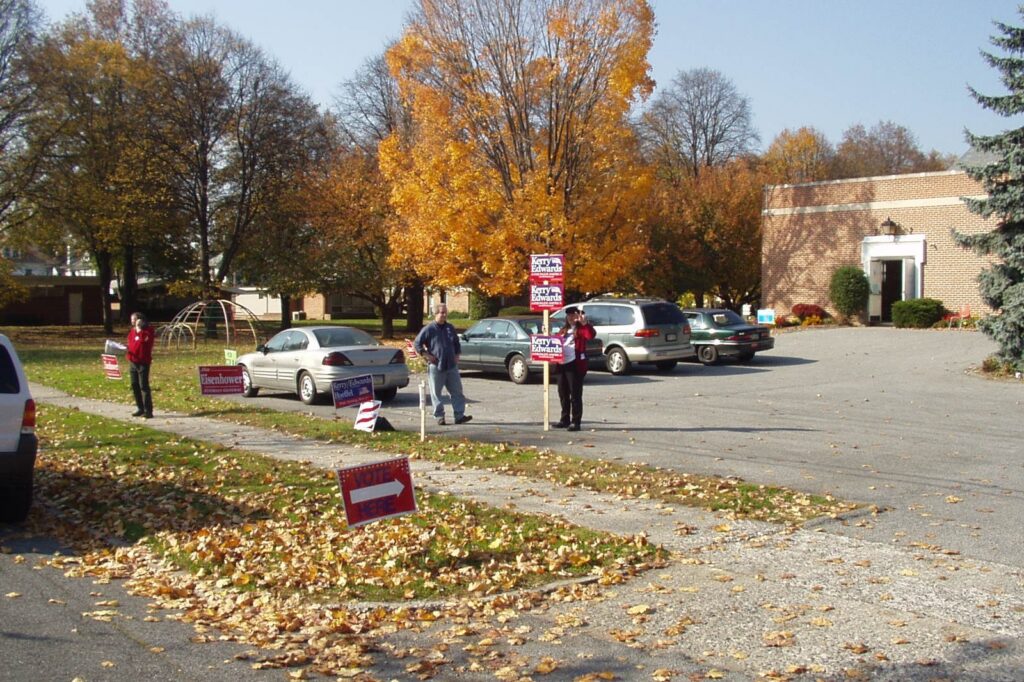
Photo: Ross M Karchner from Mclean, VA, USA (CC BY-SA 2.0)