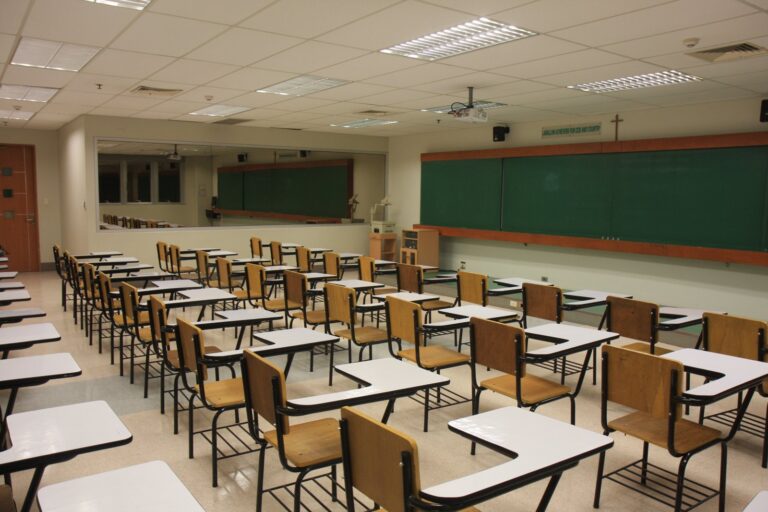
KUWAIT CITY, November 1, 2026 — As parents and educators across the region consider how to balance school wellness initiatives with strict safety protocols, Kuwait’s Ministry of Education has released a definitive framework for managing school environments.
The new regulations, issued on November 1, 2026, consist of 20 specific rules governing work and conduct in schools nationwide. These guidelines address fundraising, commercial activities, canteen operations, external events, filming, social media use, and the protection of student and employee information. The primary goal is to strengthen administrative discipline, ensure compliance with approved procedures, and protect the privacy of students, parents, and school employees.
Financial Boundaries and Gift Prohibitions
One of the most significant changes in the new code of conduct involves strict boundaries around money and gifts. The Ministry has prohibited the collection of money or gifts from teachers, administrators, students, or parents for any purpose. This ban applies whether the contribution is in cash or in kind. By removing the expectation of financial contributions, the rules aim to eliminate potential conflicts of interest and ensure that school operations remain transparent.
Similarly, the regulations forbid selling or promoting goods and services to students and employees. Educational staff are explicitly barred from using their official position or school facilities for personal or financial benefit. This measure is designed to protect students from commercial exploitation and to maintain the professional integrity of the school environment.
Canteen Safety and Food Standards
For families concerned about what their children are eating, the new rules introduce rigorous standards for school canteens. Selling, distributing, or bringing food and beverages from unapproved sources into school premises is now strictly prohibited. Canteens must not operate or offer products that violate health requirements or the regulations and circulars issued by the General Authority for Food and Nutrition and the Ministry of Education.
School administrations are required to supervise canteen operations daily. This includes ensuring regular services, monitoring food and beverage quality and safety, and complying with Ministry of Health Decision No. 15 of 2025, issued on May 28, 2025, and Public Education Assistant Undersecretary Bulletin No. 23 of 2025, issued on September 21, 2025. Schools must maintain a daily follow-up register, approved by the principal, that documents all canteen violations. This includes unauthorized displayed products and any failure to meet health requirements for workers.
When violations are identified during follow-up inspections, a designated member of the school team responsible for the canteen must periodically inform inspectors from the General Authority for Food and Nutrition. This reporting requirement is in accordance with Article 6, Paragraph 1, of the relevant Health Ministry decision. Food may be distributed during school events only in accordance with Ministry of Health Decision No. 15 of 2025, after verifying its source, safety, storage, and health requirements.
Financial Transactions and Administrative Compliance
The regulations also tighten the administrative controls over how schools handle money. All purchasing, contracting, payment, and collection transactions must comply with the regulations and procedures established for this purpose. This ensures that every financial interaction within the school system is tracked and audited according to state standards.
These measures are part of a broader effort to enhance administrative discipline. By standardizing how schools manage their resources and interactions, the Ministry aims to create a consistent and predictable environment for all stakeholders. The rules cover a wide range of activities, including external events, filming, and social media use, ensuring that all digital and physical interactions within the school align with the Ministry’s objectives for privacy and safety.
Context for Parents and Educators
Kuwait’s education system has a history of prioritizing high standards and comprehensive access. According to 2017 data from UNESCO, the literacy rate stood at 96.3% for Kuwaitis aged 25 to 64, compared to 80% across the MENA region. In 2017, 99.9% of Kuwaitis aged 15 to 24 were literate, while the MENA average was 89.6% in 2016. World Bank statistics from 2015 indicate that among Kuwaitis 15 and older, females have caught up to and surpassed their male peers on this metric of educational attainment, standing at 99.4% and 96.4%, respectively.
The government has long invested heavily in education, with 13 percent of all public expenditure given to education in the year ending 2006, a figure comparable to many OECD countries. As a percentage of GDP, this stood at 15 percent, above the OECD average. The new rules build on this infrastructure, adding a layer of regulatory oversight to ensure that the educational environment remains safe, professional, and free from commercial or financial impropriety.
For parents, the practical implication is a school environment where financial transactions are strictly regulated and food safety is monitored daily. Educators must adapt to these new guidelines, ensuring that all activities, from canteen management to social media presence, comply with the 20 new regulations. The Ministry’s focus on protecting the privacy of students, parents, and school employees suggests that data security and personal boundaries are now central to the administrative framework.
Implementation and Enforcement
The implementation of these rules requires adaptation from both educators and students. Schools are expected to enforce the daily supervision and inspection protocols immediately. The designated canteen teams must be prepared to report violations to the General Authority for Food and Nutrition inspectors as required by the new guidelines.
The Ministry of Education has issued these 20 regulations to ensure that schools operate under a unified standard of conduct. By prohibiting unauthorized sales, gifts, and unapproved food sources, the Ministry aims to protect the well-being of the school community. The next steps involve the full enforcement of these regulations, with schools maintaining the necessary records and registers to demonstrate compliance with the new administrative and health standards.
Parents and guardians should be aware of these changes, particularly regarding the prohibition of gifts and the strict controls on food and beverages. If you have concerns about how these rules affect your child’s school, it is advisable to review the specific guidelines provided by your school administration. For any questions regarding your child’s health or safety in the school environment, please consult your doctor or the relevant school authorities.
Sources
- Education in Kuwait
- Kuwait Education Ministry Issues 20 Strict Rules for Schools – Here's What You Need to Know
- Ministry Names Hmoud 2027 City of Culture in Solidarity After Terrorist Attack – Fana News
- Information Minister to honor Mayar, Egyptian young girl who won first place in Arab Reading Challenge
- Today in Kuwait’s history – kuwaitTimes
- Higher Education Minister Highlights Importance of Coordination with Kabul Ulema Council
Photo: Malate269 (Attribution)