Halloween traditions and history trace back to Celtic harvest festivals and Christian vigils, yet the modern celebration observed on October 31st as All Hallows’ Eve presents a distinct safety calculus for millions of families heading out after dark.
The Scale of Trick-or-Treating
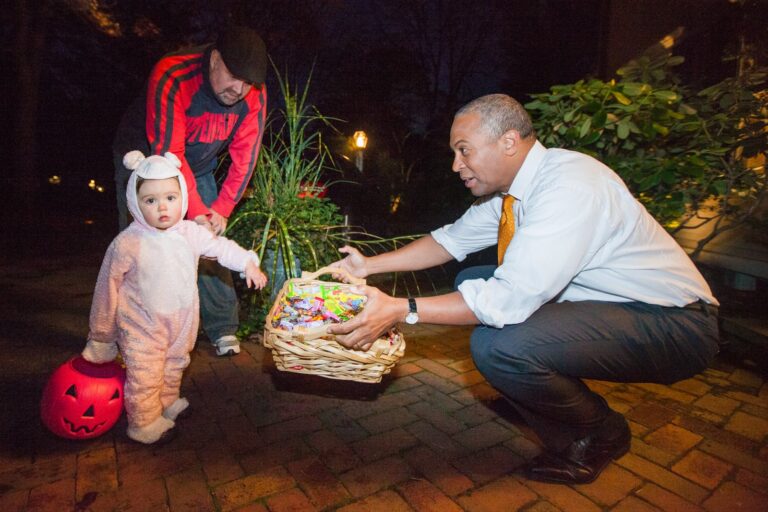
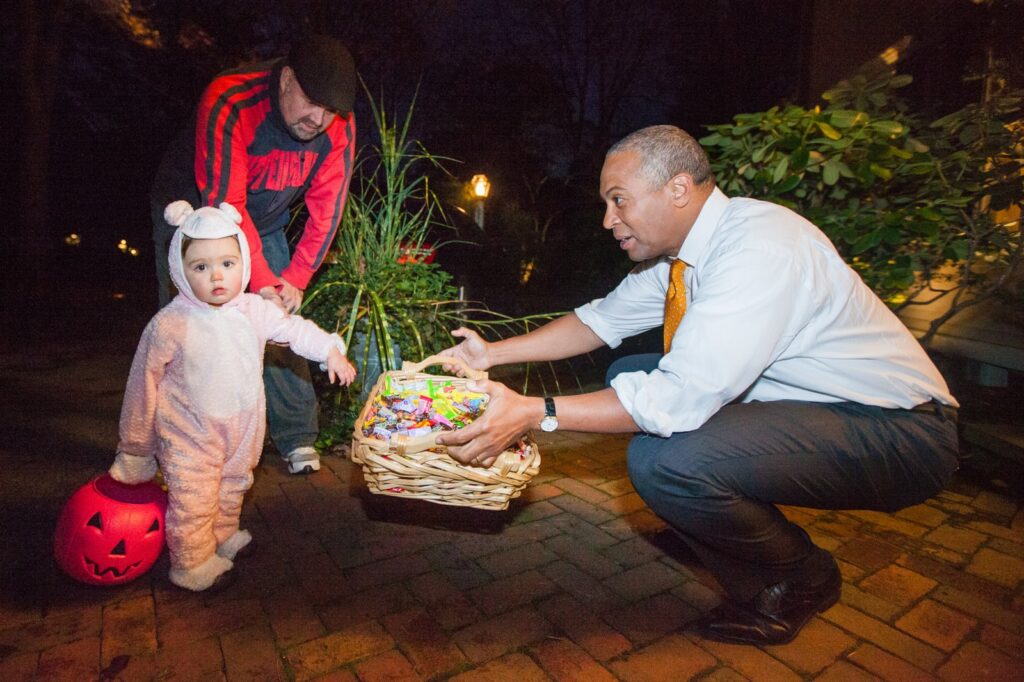
Local officials warn that traffic accidents pose the greatest risk to trick-or-treaters, urging parents to stick together and drivers to slow down as millions of children head out. The U.S. Census Bureau estimates around 40 million children could be out trick-or-treating on Halloween this year.
Halloween is observed on October 31st as All Hallows’ Eve, a Christian vigil before All Saints’ Day. It marks the beginning of Allhallowtide, the time in the Christian liturgical year dedicated to remembering the dead, including saints, Christian martyrs, and all the faithful departed.
While popular culture has transformed the holiday into a celebration of horror associated with the macabre and the supernatural, the broader stakes for public safety remain high. Irish and Scottish immigrants brought many Halloween customs to North America in the 19th century, and through American influence various Halloween customs spread to other countries by the late 20th and early 21st centuries.
The Primary Danger of Traffic
Distracted drivers, children crossing roads, and poor visibility create dangerous situations for kids after dark. Texas Department of Transportation Public Information Officer Adele Lewis said drivers need to stay alert, especially on busier roads outside neighborhoods where speed limits may be higher.
“They may be on a street that’s 45 or 60 miles an hour. So extreme caution when you get out of neighborhoods, even more than when you’re inside a neighborhood, and you expect kids,” Lewis said.
Extra caution is important because children have little protection if they are hit by a vehicle compared to adults in cars. The rules of the road are there to protect drivers, but even more so these kids that don’t even have any protection on them. They’re not in a car; you’re not banging into a car. Hitting a kid will kill that kid.
Lewis emphasized that extreme caution is necessary on Halloween night because the calculus of risk shifts dramatically when vulnerable pedestrians enter the roadway. Drivers should turn on their headlights, put away their phones, and keep the radio low enough to hear what’s happening around them.
Visibility and Protective Measures
Families must ensure children wear lighter colored costumes or safety striping so drivers can see them easily. Lewis also encouraged families to make sure children are visible to drivers, especially after dark.
“If you’re wearing a dark costume, no one’s going to see you. Remember to put some safety striping on you, carry a flashlight, wear reflective materials,” she said.
Parents should also have children walk in groups and avoid crossing busy roads alone. “Walk with your parents or guardians. Don’t cross the street by yourself,” Lewis advised. Stick together; don’t wander off. Stay close to your parents or guardians.
Community Safety Initiatives
Organizations like the National Safety Council and local law enforcement agencies emphasize that trick-or-treating should happen in safe, well-lit areas. The National Safety Council recommends that drivers slow down and be extra cautious when driving with children around.
Some communities have adopted “Trunk-or-Treat” events, which take place at schools or churches where parents can supervise children while they collect candy from cars parked in a safe area. This approach eliminates the dangers of crossing streets entirely while still allowing families to participate in the holiday spirit.
The Strategic Importance of Preparedness
Preparedness is key to ensuring child safety during neighborhood trick-or-treating. Families should plan routes ahead of time, check candy before consumption, and maintain open communication with children about staying in designated areas.
As the holiday approaches, the broader stakes involve not just individual family safety but community-wide awareness and cooperation between parents, drivers, and local authorities to mitigate risks associated with increased pedestrian activity after dark.
Additional Safety Measures For Communities
According to Texas Department of Transportation Public Information Officer Adele Lewis, drivers should slow down in residential areas, watch for children near parked cars and crosswalks, and use extra caution when backing out of driveways. This advice highlights the importance of community-wide awareness and cooperation to mitigate risks associated with increased pedestrian activity after dark.
Some communities have found creative ways to promote safety during Halloween, such as organizing “Trunk-or-Treat” events. For example, the University of Arkansas is hosting a Halloween event at Razorback Stadium, which includes a trick-or-treat location, a Halloween laser show, and a costume contest. This approach allows families to participate in the holiday spirit while minimizing the dangers of crossing streets.
Local law enforcement agencies, such as the Wichita Falls Police Department, also play a crucial role in promoting safety during Halloween. Public Information Officer Jaeden Esquibel advises parents to stay with their children while they collect their treats and to make sure children are visible to drivers, especially after dark. By working together, communities can help ensure a safe and enjoyable Halloween for all participants.
Preparedness and Route Planning
As the holiday approaches, the broader stakes involve not just individual family safety but community-wide awareness and cooperation between parents, drivers, and local authorities to mitigate risks associated with increased pedestrian activity after dark. Local officials share Halloween safety tips for drivers and parents, emphasizing that distracted drivers, children crossing roads, and poor visibility can create dangerous situations.
With so many children on the streets after dark, officials are reminding drivers and parents to take precautions to help keep children safe. The U.S. Census Bureau estimates around 40 million children could be out trick-or-treating on Halloween, making vigilance essential for every family participating in the tradition.
Sources
- Local officials share Halloween safety tips for drivers and parents
- Halloween
- Halloween with the Hogs
Photo: Eric Haynes for the Office of the Governor of Massachusetts (Public domain)