The Mechanics of Visibility and Nighttime Safety
As families prepare for evening festivities such as Halloween, the challenge of remaining visible to motorists becomes a primary concern for pedestrian safety. According to the Delaware Office of Highway Safety, 76 percent of all pedestrian fatalities occur in the dark, a statistic that underscores the necessity of proactive measures for anyone navigating roadways after sunset.
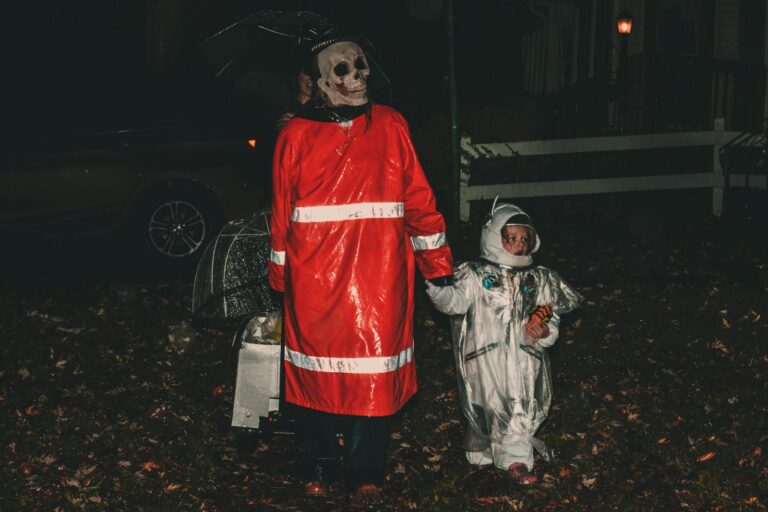
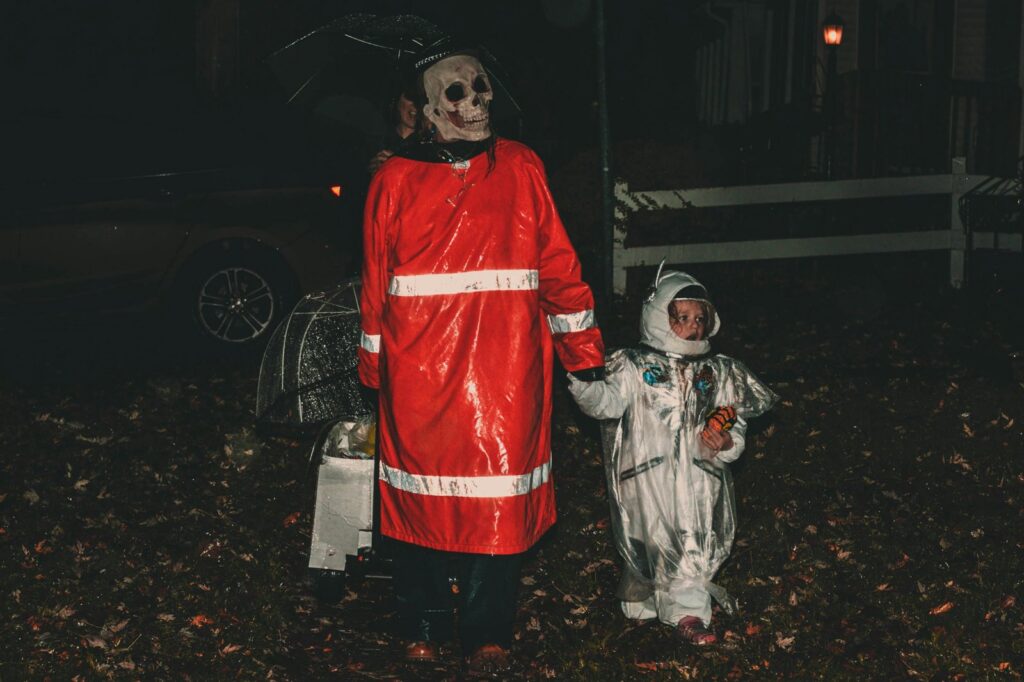
Visibility at night relies on the interaction between light sources and reflective surfaces. To ensure a driver can perceive a pedestrian in time to react, experts suggest several practical modifications to clothing and gear. Dr. Peter Lin, a house doctor for CBC Radio, recommends integrating reflective tape directly into costume designs to catch the headlights of approaching vehicles. Beyond passive reflection, active light sources provide an even higher degree of detection. Using battery-operated LED lights as necklaces or attaching them to handheld props ensures that children remain conspicuous even in low-light conditions.
The strategic placement of light is equally important. Placing a flashlight inside a pumpkin basket or a candy bag allows the container itself to glow, creating a larger, more identifiable silhouette for drivers. Wellington OPP also emphasizes the importance of carrying a standard flashlight, which serves the dual purpose of illuminating the path for the pedestrian and signaling their presence to oncoming traffic. When selecting costumes, parents should ensure that garments allow for easy movement and that masks do not obstruct a child’s field of vision, as the ability to scan the environment is as important as being seen.
The Historical Context of Pedestrian Culpability
The current emphasis on pedestrian responsibility is deeply rooted in the early 20th-century history of urban planning and automotive expansion. According to Wikipedia, the notion that pedestrians bear partial or total fault for accidents involving motor vehicles was largely shaped by propaganda campaigns initiated by auto lobbying groups in the early 1900s. As fatalities involving automobiles grew in countries like the United States, these groups sought to shift the burden of safety away from drivers.
This effort included the introduction of the term jaywalking, a concept designed to criminalize pedestrian behavior and restrict the use of public streets. In the 1920s, the American Automobile Association (AAA) became a primary source of traffic safety information for schools. The organization distributed materials such as coloring books that reinforced the message that streets were intended for automobiles. This era also saw the rise of public shaming events, such as a 1924 New York City parade that featured a clown representing a jaywalker being struck by a Model T.
These historical shifts in policy and perception contrast sharply with legal frameworks in other parts of the world. Western European and Nordic countries generally assign a higher degree of legal culpability to drivers when they strike pedestrians compared to the United States. While the AAA maintains that both drivers and pedestrians share the responsibility for road safety, the global landscape of pedestrian protection remains varied, with poorer populations often facing higher risks of fatal injury.
Traffic Habits for Modern Roadways
Beyond gear, the behavior of pedestrians and drivers remains the most significant factor in preventing accidents. Statistics from the National Highway Traffic Safety Administration indicate that 17 percent of children age 14 and younger who were killed in traffic crashes in 2024 were pedestrians. To mitigate these risks, police departments advocate for specific crossing techniques and behavioral habits.
Wellington OPP advises that children should always remain on the sidewalk and look in both directions before attempting to cross a road. Running between parked cars is a particularly dangerous habit, as it limits the time a driver has to identify and react to a pedestrian. For older children, planning a route in advance and communicating that plan to a parent or guardian is a recommended safety practice. Furthermore, children should always be accompanied by an adult, and parents should remind them never to enter a stranger’s home or garage.
The responsibility for safety is not limited to those on foot. Motorists are urged to slow down, particularly in residential neighborhoods where the risk of children unexpectedly entering the roadway is high. The broader stakes involve a shift in how communities manage traffic during high-activity periods. By adopting these habits and utilizing high-visibility equipment, pedestrians can navigate the modern roadway with a greater margin of safety, effectively countering the risks inherent in nighttime travel.
Resources for Ongoing Education
The scale of the issue is significant, with over 300,000 pedestrians killed globally each year due to collisions with road vehicles. While national statistics vary, the World Health Organization notes that these crashes are predictable and preventable rather than inevitable. For families seeking to improve their safety protocols, several organizations provide educational resources and guidance on traffic navigation.
The Delaware Office of Highway Safety directs the public to resources such as arrivealivede.com and safekids.org for detailed information on pedestrian and bicycle safety. These platforms offer strategies for both parents and drivers to manage the complexities of sharing the road. By engaging with these materials, families can stay informed about best practices for visibility and traffic awareness, ensuring that safety remains a priority throughout the year.
Ultimately, the calculus of road safety requires a combination of personal vigilance and systemic awareness. Whether through the use of reflective materials or the adoption of careful crossing habits, the goal is to reduce the frequency of fatal encounters between vehicles and pedestrians. As urban mobility continues to evolve, maintaining these standards of caution will remain a necessary component of community safety.
Sources
- Hitting the streets for Halloween fun this weekend? Here are some tips on how to stay safe and seen | CBC News
- Pedestrian safety
- OHS Emphasizes Pedestrian Safety Ahead of Halloween Weekend – State of Delaware News
Photo: Troy T / Unsplash (Unsplash License)