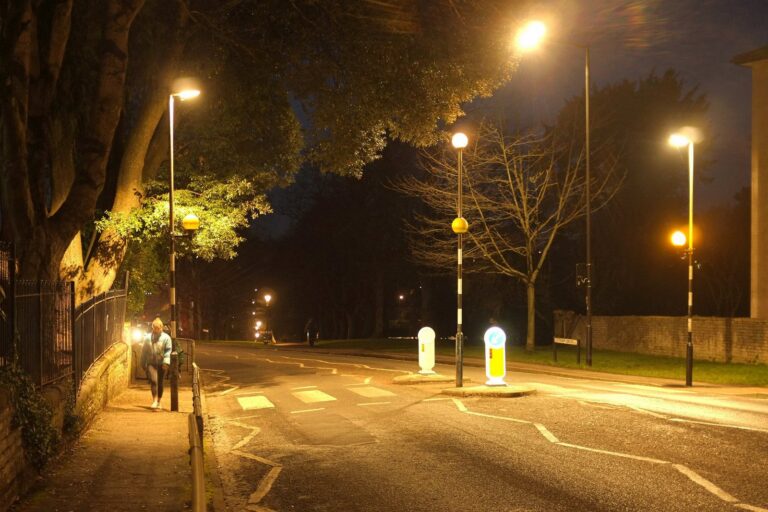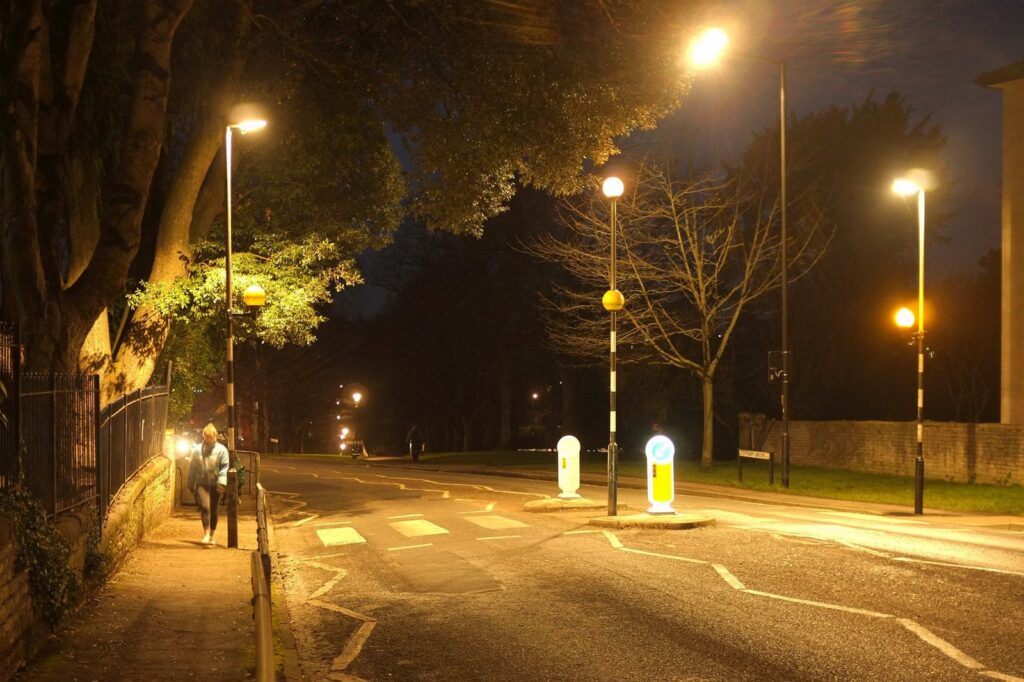
The first week of November has arrived wet in central Kentucky, and with daylight fading earlier each afternoon, the conditions that make winter driving dangerous are stacking up: slick pavement, reduced visibility and more people moving around after dark. Driving instructors and safety agencies say a handful of maintenance checks and driving habits can meaningfully cut the risk.
Why Wet Roads After Dry Spells Are Extra Slippery
Central Kentucky saw rain on Monday for the first time in about two weeks, according to WKYT. Jim Peters, lead driving instructor at Apex Driving School, said roadways tend to get slick after rain because of built-up car oils and grease. On a sunny day that causes no issues, he said, but when rain hits the road, the water brings those oils to the surface and reduces traction.
Peters told WKYT that 14% of all crashes in Kentucky are because of rain or snow. The faster a vehicle is traveling, the more likely its tires are to lose contact with the road and hydroplane, which he described as the tire no longer meeting the road and basically sliding on water.
The Maintenance Checks That Matter Most
Tire tread tops the list. “Tread on the tires is the most important thing because it’s the thing that’s actually touching the road,” Peters said. Windshield wipers deserve the same attention before the wet season sets in, since they are the driver’s main tool for seeing through spray and rain.

Peters also advised drivers to leave early and give themselves enough following distance. “A lot of people still tailgate and it’s very, very dangerous because your reaction time is a little bit slower because your car is going to respond a little bit differently in the rain than it would be on the regular roads,” he said.
What to Do If the Car Starts to Slide
If hydroplaning begins, Peters said, “Don’t panic.” Drivers should ease off the gas and gently steer. “You don’t want to slam on your brakes and crank the steering wheel because it’s going to make more of a mess than what you asked for,” he said.
Visibility: Lights On Early, Eyes on the Edges
AAA urges drivers to turn headlights on early after dark and scan for pedestrians, bicyclists and riders of e-bikes and e-scooters, according to News 10. The organization also advises slowing down in neighborhoods, looking carefully at intersections, medians, curbs, driveways and alleys, and checking around a vehicle before backing out.
Those habits matter most in the evening hours. AAA says popular trick-or-treating hours run from 5:30 to 9:30 p.m., and Safe Kids Worldwide reports that children are more than twice as likely to be struck and killed by a vehicle on Halloween than on any other day of the year. The National Highway Traffic Safety Administration reports that 201 people were killed in alcohol-related crashes on Halloween night from 2020 through 2024.
“Halloween already demands a driver’s full attention, and having it fall on a Saturday night adds another reason to be especially cautious,” said Adrienne Woodland, spokesperson for AAA – The Auto Club Group. “Expect more people to be out after dark and slow down in neighborhoods. A child in a costume, or someone riding an e-bike or e-scooter, can appear in your path with very little warning.”
For Parents and Walkers
AAA recommends adding reflective tape or stickers to costumes and candy bags, and having children carry flashlights or glow sticks. Before crossing, trick-or-treaters should look left, right and left again. Parents should choose costumes that fit properly and do not obstruct a child’s vision, and have children use sidewalks and crosswalks rather than crossing between parked vehicles or darting into the street.
The Speed Threshold That Decides Survival
The stakes of speed are stark. The basic strategy of a Safe System approach is to ensure that in the event of a crash, impact energies remain below the threshold likely to produce death or serious injury. For an unprotected pedestrian, the chances of survival diminish rapidly at speeds greater than 30 km/h, whereas for a properly restrained motor vehicle occupant the critical impact speed is 50 km/h for side-impact crashes and 70 km/h for head-on crashes.
Modern road safety thinking has shifted toward designing systems rather than relying only on individual caution. Vision Zero reframes traffic deaths as preventable and focuses on building safer systems rather than relying solely on individual responsibility, using data-driven decision-making and recognizing road safety as a social equity issue. A Road Safety Audit is a formal safety study of an existing road or planned project that identifies potential hazards and recommends practical improvements, with the goal of finding problems before they result in serious crashes.
Changing Driving Culture, One Neighbor at a Time
Communities are also trying to shift behavior from the ground up. “Behind every data point is a member of our community whose life was cut short or forever altered by a preventable crash,” said Tara Flaharty, Move SAFE Program Manager for the Mesa County RTPO. “Safer roadway designs and enforcement are essential, but true safety requires a fundamental shift in our community’s driving culture.”
In Arlington, Virginia, a volunteer “ambassador” program proposed at the annual meeting of stakeholders connected to the county’s Vision Zero initiative would let individuals join directly and help educate neighbors and friends. Christine Baker, a county transportation planner who heads Vision Zero initiatives, said the program would “expand our depth and our reach into the community.” It is likely to formally debut early next year and will be volunteer-based, she said.
What This Means for Your Evening Commute
The encouraging part is that most of these measures cost little and can be done this week: check the tread, replace worn wipers, switch on headlights earlier than feels necessary, leave a bigger gap, and slow down where people walk. Drivers who find themselves sliding should remember Peters’s advice to ease off the gas and steer gently rather than brake hard.
For anyone unsure whether their tires or wipers are up to the darker months, talk to your doctor is not the right call here, but a mechanic or driving instructor is. A few minutes of maintenance and a little more patience behind the wheel can make the difference on a wet, dark evening.
Sources
- Road safety
- Mesa County RTPO Updates Crash Data Dashboard with 2025 Data, Urging Community-Wide Shift in Driving Culture to Prevent Roadway Fatalities
- Halloween road safety: What drivers, parents and e-bike riders need to know
- New ‘ambassador’ program would expand road safety outreach in Arlington | ARLnow.com
- Driving instructor shares wet-road safety tips as rain returns to central Kentucky
- Seminole County, MetroPlan launch road safety audits on high-injury roads
Photo: Derek Harper (CC BY-SA 2.0)