Americans are pouring money into meditation apps, supplements and wellness retreats while routine medical screenings slip down the list. The global market for spiritual wellness apps alone was valued at USD 2.5 billion in 2025 and is projected to reach USD 7.4 billion by 2033, according to a ResearchAndMarkets report released Nov. 2, yet the everyday habits those apps encourage cannot substitute for a doctor’s evaluation.
The question readers keep asking is a fair one: how do you fit both into a life that already feels full? The answer starts with understanding that the two serve different purposes. Wellness tools manage daily rhythms. Screenings catch what daily rhythms cannot.
What Wellness Apps Actually Do
The growth in this sector is not hype. The spiritual wellness apps market is expected to expand from USD 2.8 billion in 2026 at a compound annual growth rate of 14.8 percent through 2033, according to ResearchAndMarkets. North America led the global market with a 44.1 percent revenue share in 2025, driven by high smartphone usage, established subscription models and strong consumer spending on wellness applications.
The demand is real and fast. When the Isha Foundation released its Miracle of Mind meditation app in June 2025, it exceeded one million downloads within 15 hours, according to the same report. Developers are responding with personalized content, guided programs and cross-device experiences designed to keep users engaged.
These tools have a place. They can build consistency, reduce stress and give structure to a morning or evening routine. What they cannot do is look at your skin, read your blood pressure or order a lab test. That distinction matters more than most consumers realize.
When Social Media Advice Misses the Point
Health content creators and researchers gathered at this year’s Creator Summit on Health and Wellness for All, convened by the Harvard T.H. Chan School of Public Health and its Center for Health Communication, and drew a sharp line between what performs well online and what actually keeps people healthy. The conversation, published Oct. 28, noted that social media health advice often misses big-picture factors such as access to health insurance, stable housing and clean air.
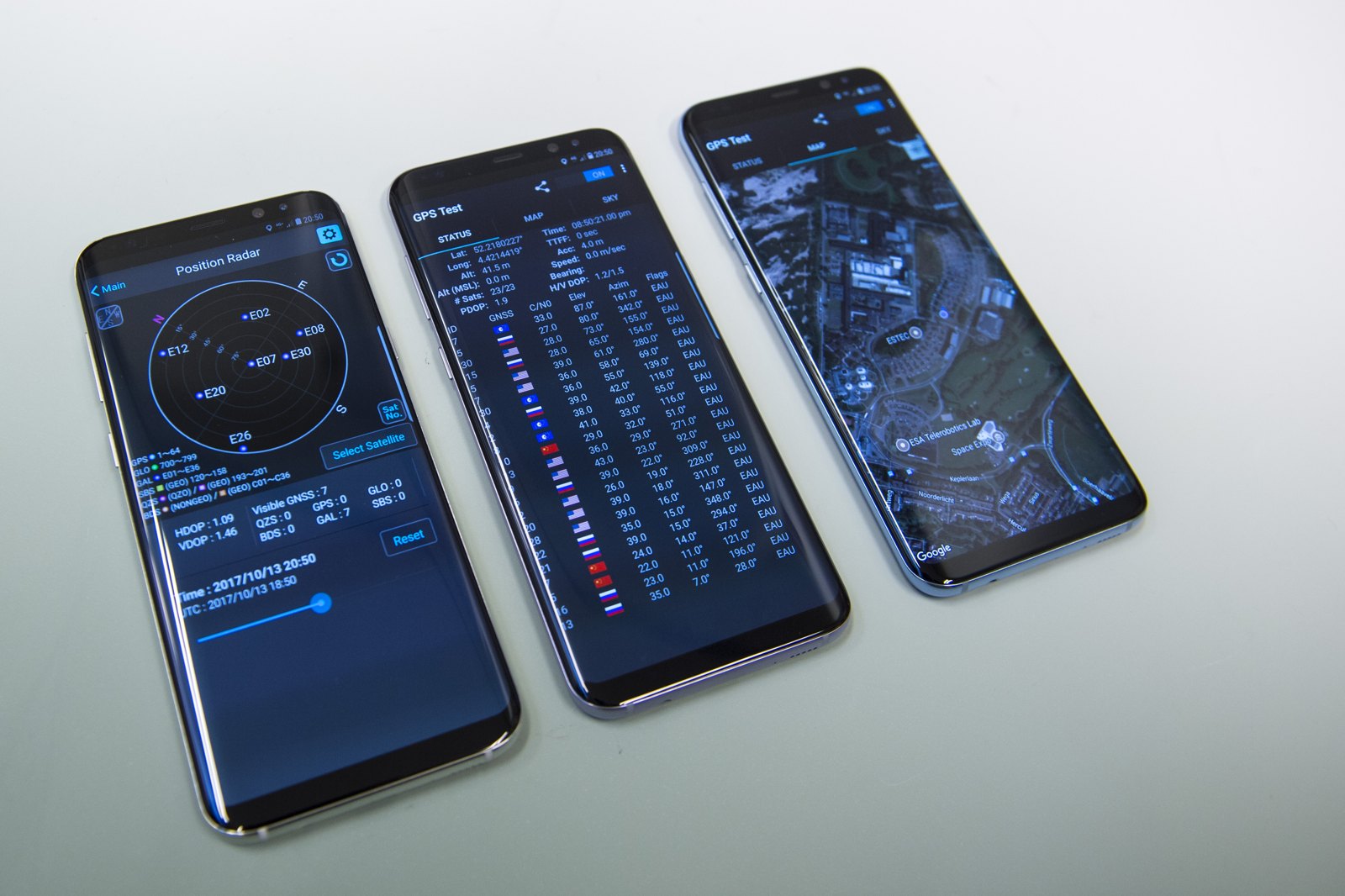
That is the strategic gap in the wellness economy. An app can guide a breathing exercise at 6 a.m. It cannot tell you whether your insurance covers a mammogram or whether the mole on your shoulder has changed since last year. Those are structural questions, and they require a different kind of attention.
The calculus for readers is straightforward: use the tools that help you show up consistently, but do not let the convenience of a subscription stand in for the appointment you have been putting off.
Preventative Maintenance Is Not the Same as Self-Care
The American Academy of Dermatology marked National Healthy Skin Month this November with a message that applies far beyond skincare. The academy encouraged the public to follow healthy skin habits while understanding when to bring in a board-certified dermatologist, the expert who can evaluate skin, hair and nails for clues about overall health.
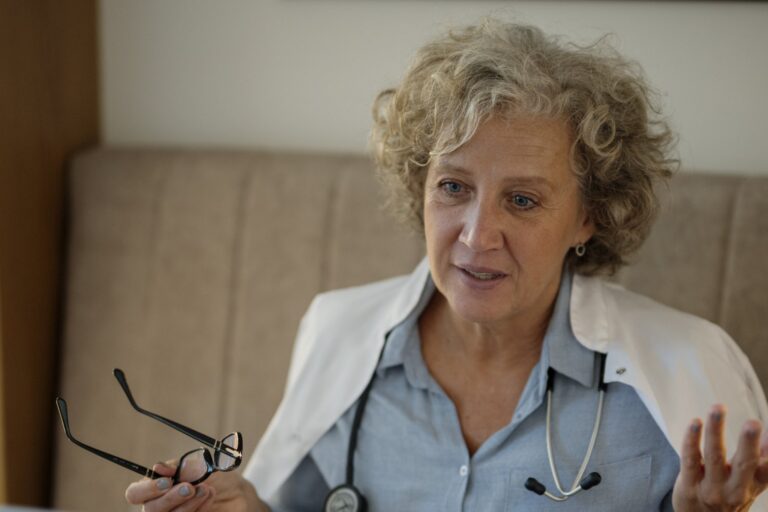
“The skin is a reflection of everything underneath,” said board-certified dermatologist Rachel Nazarian, MD, FAAD. “A board-certified dermatologist is well versed in identifying external signs of internal disease.” She noted that skin findings can prompt further evaluation for conditions such as diabetes, lupus, Crohn’s disease or ulcerative colitis, and can reveal more common issues such as vitamin or iron deficiency.
That is preventative medical maintenance in concrete form. A gentle cleanser, a moisturizer and broad-spectrum sunscreen with SPF 30 or higher are the everyday habits the academy recommends. A skin exam by a trained specialist is the screening layer on top. One does not replace the other, and the academy’s guidance makes clear that over-exfoliation and layering too many active ingredients, often driven by social media trends, can leave skin inflamed and more vulnerable.
Dermatologists have the training to diagnose and treat more than 3,000 skin conditions, according to Nazarian, and many potentially life-threatening conditions, including melanoma, have significantly better survival rates when diagnosed early. The everyday routine protects the barrier. The professional exam catches what the mirror cannot.
Counseling as Routine, Not Crisis Response
The same logic applies to mental health. Dr. Karl Mitchell, an assistant professor of counseling at East Texas A&M University, established the International Association for Wellness Counseling in 2024, and the organization began its first full year of activities in 2025. Its stated goal is to make mental health care an approachable part of everyday wellness, something people turn to before they reach a crisis.
“Our vision is for every person to achieve optimal wellness across their lifespan,” Mitchell said. The association runs conferences, professional development and a counselor directory, and it held two World Conferences, including an in-person gathering at ETAMU’s Dallas campus this past spring. Its October Wellness Counseling Summit combined activities in Phnom Penh, Cambodia, with virtual presentations.
The lesson for readers is that counseling belongs in the same category as a dental cleaning or an annual physical: a scheduled maintenance item, not an emergency room visit. Mitchell’s work grew from more than 20 years in mental health settings, including work with children, adolescents, older adults, refugees, foster care clients, college students and people experiencing substance use problems.
What Community Programs Get Right
San Bernardino County offered a useful model in late October. More than 2,400 residents attended its Fall Wellness Extravaganza, hosted through a partnership between the county Behavioral Health Department and the Department of Aging and Adult Services. The event combined carnival games, live music and line dancing with Narcan training, behavioral health resources and adoptable pets through the Public Health Department.
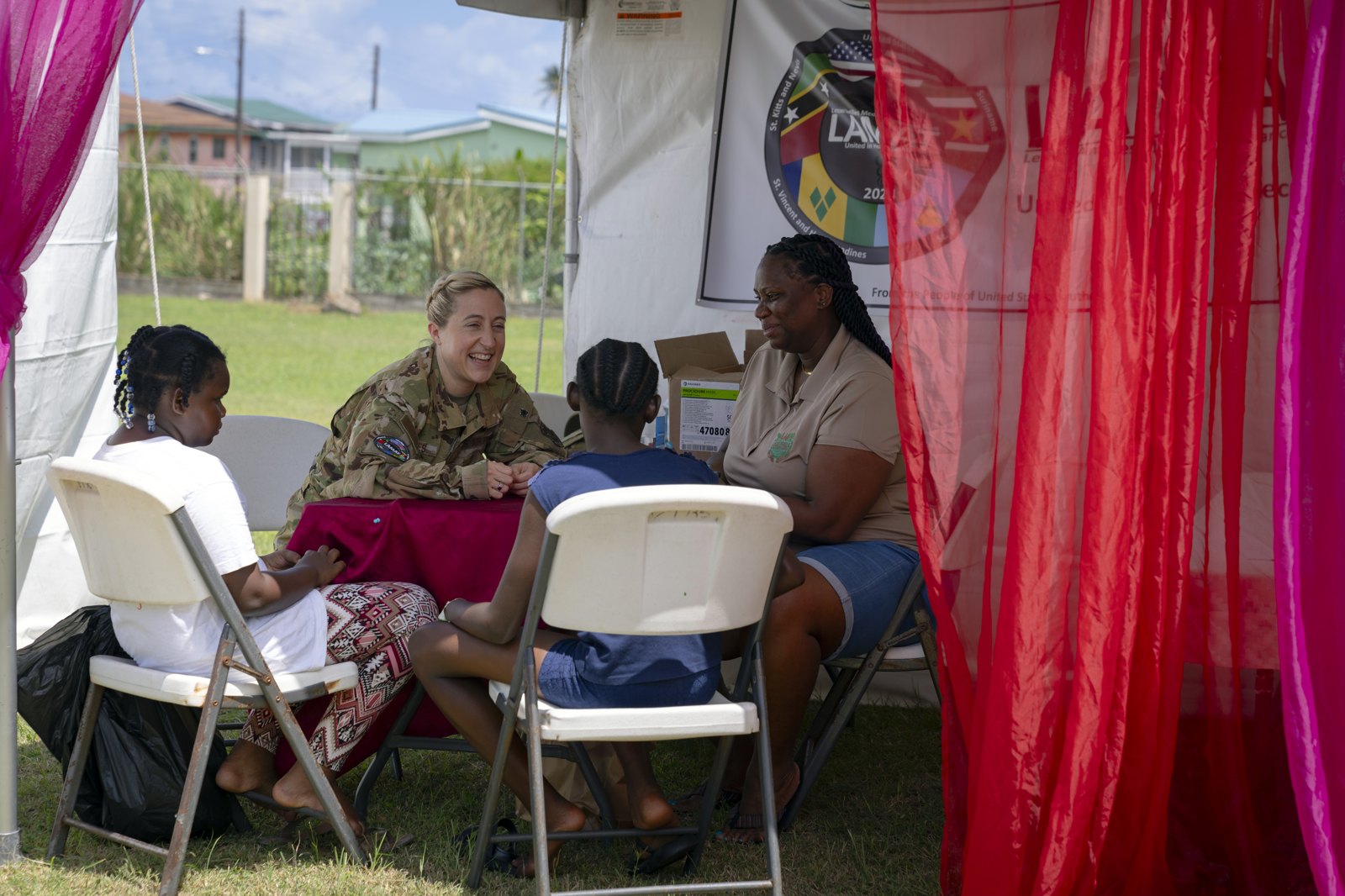
“This is what community wellness looks like,” said Josh Dugas, director of the San Bernardino County Behavioral Health Department. “It is people coming together, building relationships, having fun and knowing there are resources and people here to support them.” The event also distributed 150 Thanksgiving food bags to local families.
The county’s approach matters because it puts resources directly in front of people in a setting that does not feel clinical. That is the bridge between lifestyle and medical care: a place where a resident can learn about behavioral health services while their children ride a Ferris wheel. The next step for anyone who attended is to follow up on the resources they encountered, not just enjoy the afternoon.
How to Build a Balanced Routine
The practical answer to the reader’s question comes down to scheduling and separation. Treat your app subscription and your screening calendar as two different systems. The app handles daily consistency. The calendar handles the annual or biennial appointments that catch problems early.
Start with a simple audit. List the wellness products you pay for each month, then list the medical appointments you completed in the past year. If the first list is longer than the second, that is your signal. The AAD’s guidance offers a template: keep the daily routine simple, introduce new ingredients gradually, use warm water instead of hot, and seek shade and wear sun-protective clothing when outdoors. Then book the professional exam that evaluates what the routine cannot.
For mental health, the IAWC’s model suggests seeking counseling before a crisis rather than after. Mitchell’s association provides expert-contributed resources on topics including school counselor wellness, faculty wellness, relationships, caregiving and veterans, along with continuing education webinars and a certification program. Readers can use the directory to find a counselor before they need one urgently.
For community resources, county health departments and behavioral health agencies remain the most direct route. San Bernardino County’s event showed that these resources exist and that residents will use them when they are presented without stigma. The 2,400 attendees who showed up for a fall festival are the proof of concept.
The Broader Stakes
The wellness economy is not going away, and it should not. The question is whether consumers treat it as a complement or a substitute. ResearchAndMarkets projects the spiritual wellness apps market will grow at 14.8 percent annually through 2033, with opportunities expanding across Europe, Asia Pacific, Latin America and the Middle East and Africa as mobile connectivity widens. That growth will put more tools in more hands.
The risk is that convenience crowds out the appointment. A meditation app can lower your heart rate. It cannot check your blood pressure. A skincare routine can protect your barrier. It cannot biopsy a lesion. A wellness retreat can restore your perspective. It cannot order a colonoscopy.
The AAD’s National Healthy Skin Month runs through November, and the academy’s guidance is available online, including instructions for performing a skin self-exam. Readers who want a concrete next step can start there, then call their primary care provider and ask which screenings are due. The app can wait until tomorrow morning. The appointment should not wait until next year.
Sources
- Celebrating wellness and community across generations – Welcome to San Bernardino County
- How to Earn a Wellness Token for Environmental Wellbeing
- ETAMU Professor Builds Global Community Through Wellness Counseling
- Health and wellness for all: Content creation on social media | Harvard T.H. Chan School of Public Health
- Global Spiritual Wellness Apps Market Size, Share, and Trends Report, 2026-2033 | Digital Wellness and Mindfulness Demand Propel Market to USD 7.4 Billion
- National Healthy Skin Month: Wellness is more than skin deep – AOL
Photo: Shixart1985 (CC BY 2.0)