
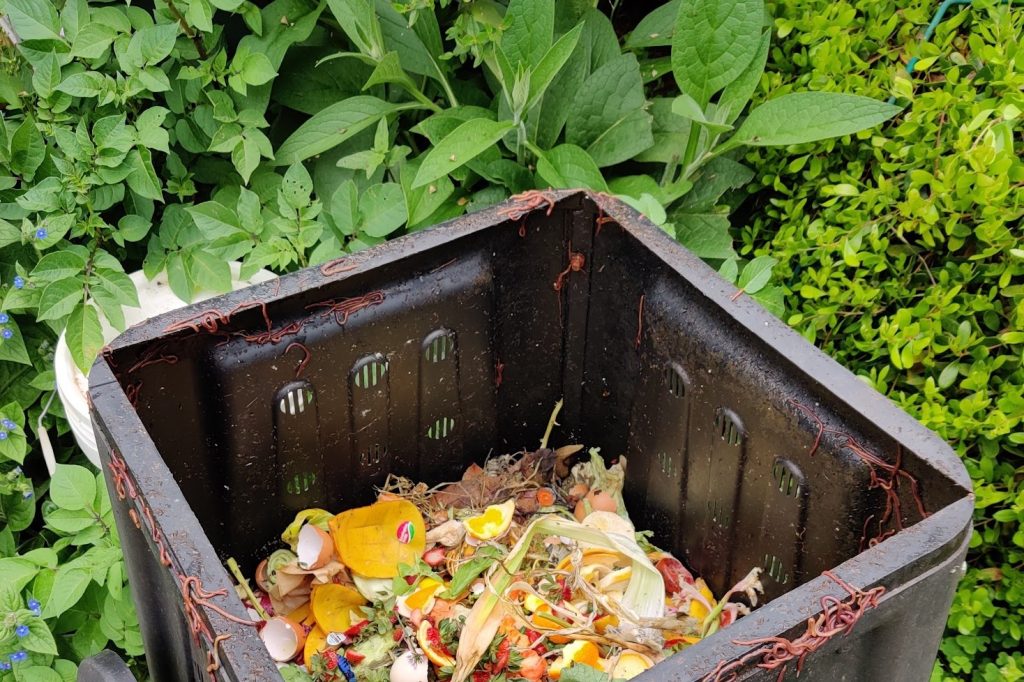
WASHINGTON, October 6 The story begins with a simple idea: turning kitchen scraps into garden gold. On this date, certified master gardeners are sharing practical guidance for households looking to reduce waste and enrich soil through home composting, emphasizing that effective systems can be built affordably and used year-round with minimal energy input. At its heart, the effort addresses a significant environmental challenge.
According to the U.S. Environmental Protection Agency, food waste constitutes approximately 24% of municipal solid waste in landfills, where it generates methane, a potent greenhouse gas. Composting diverts this waste, transforming it into nutrient-rich humus that improves soil structure, water retention, and microbial activity.
What unfolded is a clear, step-by-step approach endorsed by trained experts. Master gardeners, certified through programs administered by land-grant universities and cooperative extension services — including those affiliated with the University of California Division of Agriculture and Natural Resources and Cornell University’s Cooperative Extension — stress that success hinges on balancing nitrogen-rich ‘greens’ like vegetable scraps and coffee grounds with carbon-rich ‘browns’ such as dried leaves, straw, or shredded paper in a ratio of roughly 2:1 to 3:1. For those involved, the barrier to entry is low.
A basic system can be built from recycled materials: a bin made from untreated wood pallets or wire mesh costs between $20 and $40, depending on regional availability. In urban or small-space settings, a 5-gallon bucket with drilled aeration holes and a tight-fitting lid serves as an effective indoor unit, costing under $10.
Energy efficiency is built into the design. Passive aeration — such as elevated bins with bottom airflow or tumbling composters turned by hand — eliminates the need for electric motors. Insulation using straw bales or rigid foam panels helps maintain internal temperatures between 120°F and 160°F, the optimal range for thermophilic decomposition, allowing year-round operation even in colder climates.
Ongoing care is straightforward but essential. Moisture should resemble a wrung-out sponge, typically 40% to 60%, monitored by touch and adjusted with water or dry materials as needed. Turning the pile every one to two weeks introduces oxygen, accelerating breakdown and preventing odors.
Finished compost — dark, crumbly, and earthy-smelling — is ready in 8 to 12 weeks under optimal conditions and can be applied to garden beds at a rate of 1 to 2 inches per season. Master gardeners caution against composting meat, dairy, oily foods, or pet waste due to pathogen risks and pest attraction.
Instead, they recommend fruit and vegetable scraps, eggshells, tea bags, and yard trimmings. The resulting soil amendment reduces reliance on synthetic fertilizers, supports sustainable gardening, and contributes to circular food systems. These scalable systems align with broader federal initiatives, including the USDA and EPA’s promotion of food waste reduction through programs like the U.S. Food Loss and Waste 2030 Champions.
By following certified master gardener guidelines, households can divert hundreds of pounds of food waste annually from landfills while producing a valuable resource that enhances soil health and plant productivity — a tangible step toward sustainability, one bin at a time.




