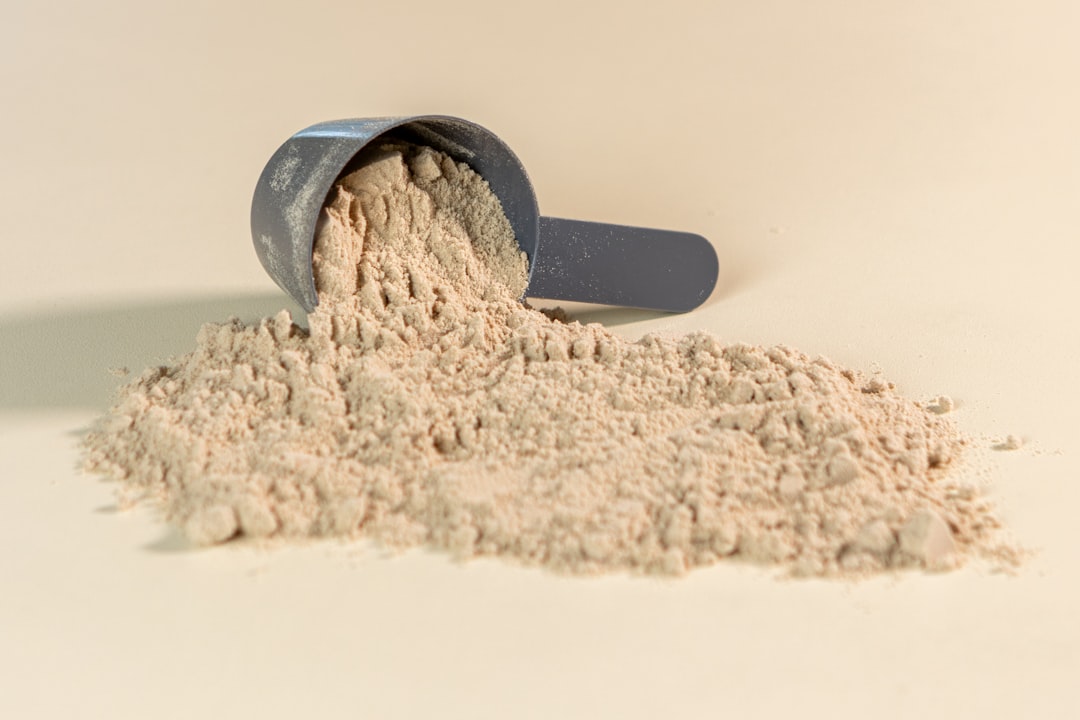
A cheap, widely available dietary supplement may have just given Alzheimer’s research a jolt. Japanese scientists report that arginine, a common amino acid found in protein-rich foods, can slow the disease’s hallmark brain damage in two different animal models. The finding, published in Neurochemistry International, opens a potential path to a treatment that could be tested in people far faster than a typical new drug.
Arginine is not a novel compound. It is already used in medicine for other conditions, and it crosses the blood-brain barrier — a hurdle that stops many would-be Alzheimer’s drugs dead. That combination of safety data and biological access means clinical trials could start without the years of safety testing a new molecule would require. “It could potentially move to clinical testing relatively quickly,” the researchers note. For a field that has watched promising drug candidates fail in late-stage trials, that speed matters.
The work, led by Yoshitaka Nagai at Kindai University in Tokyo, tested arginine in fruit flies engineered with an Alzheimer’s mutation and in mice carrying three familial Alzheimer’s mutations. In the flies, arginine inhibited the clumping of a toxic form of amyloid-beta. The effect was stronger at higher concentrations. In the mice, oral arginine lowered amyloid plaque levels and reduced insoluble amyloid in the brain. The treated mice also performed better in behavioral tests. Their brains showed dampened activity in genes linked to inflammation.
The mechanism appears to be a simple one. Arginine acts as a chemical chaperone, helping proteins keep their proper shape. When proteins misfold, they clump. In Alzheimer’s, those clumps — amyloid plaques — are a central feature of the disease. By stabilizing protein shape, arginine may interrupt that cascade before damage becomes irreversible.
None of this means people should start loading up on arginine supplements. This is early animal research. What works in a mouse does not always work in a human. Alzheimer’s has frustrated every attempt to translate promising animal results into effective therapies. The field is littered with compounds that cleared plaques in rodents but did nothing for patients.
Still, the arginine finding stands apart for one reason: the compound itself. Most experimental Alzheimer’s drugs are synthetic molecules that cost millions to develop and years to test for safety. Arginine is cheap, known, and already in medical use. That lowers the bar for clinical trials. If a small human study shows any hint of benefit, larger trials could follow quickly. If it fails, the cost is low and the knowledge gained is real.
The research team is careful not to oversell. They call arginine a “promising candidate,” not a cure. The fact that it is inexpensive is a real advantage. Alzheimer’s drugs, when they work, tend to be expensive. A treatment built from a common amino acid would be accessible in ways that biologics are not. For the millions of patients and families watching the slow progression of the disease, that matters.
The next step is obvious. Someone needs to run a clinical trial. The researchers have the animal data. The compound is ready. The question is whether the funding and the will are there. Alzheimer’s research has been a story of small steps and large disappointments. This one is a small step. It is also a cheap one. That combination is rarer than it should be.