The rupture between Mali and Ukraine is more than a diplomatic spat. It is a signal that a new, dangerous fault line is running straight through the heart of West Africa. Mali’s decision to sever all diplomatic ties with Ukraine, effective immediately, places the region at the center of a growing confrontation between Russia and its adversaries.
At the core of the split is a single, bloody event. Malian officials accuse Ukraine of feeding intelligence to Tuareg rebels operating in the country’s vast northern desert. That intelligence, they claim, allowed the rebels to spring a devastating ambush on a joint convoy of Wagner Group mercenaries and Malian soldiers. The attack produced significant casualties. The numbers are not specified in the official account, but the result was clear: a military disaster that has now triggered a political earthquake.
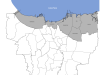
The stakes here are brutally concrete. Mali is a landlocked country covering over 1,240,192 square kilometers. It borders Algeria, Niger, and Burkina Faso. It is a critical hub for trade and commerce across the region. But for years, its stability has been under assault from extremist groups and rebel militias. The Tuareg rebels have been active in the north for decades, fighting for greater autonomy and recognition. Their methods have drawn widespread condemnation from the international community.
Now, an external actor has allegedly stepped in to tip the balance. Ukraine has not publicly commented on the accusation. That silence does not ease the tension. The implication is that Ukraine provided the rebels with the means to strike a Russian-aligned force. Wagner Group, the Russian private military company, has been operating in Mali since 2021, acting as a de facto extension of Moscow’s influence in the Sahel. If Ukraine did supply intelligence, it marks a direct, if covert, intervention in a conflict far from its own borders.
The consequences are immediate. Mali has cut all diplomatic ties. That means embassy closures, the expulsion of diplomats, and a halt to any official communication between the two capitals. For a country already struggling with security, this removes a potential channel for de-escalation. It also reinforces Mali’s alignment with Russia, a relationship that has deepened since the military junta took power in 2020.
What is genuinely at risk now is the entire regional security architecture. Mali is not an isolated case. Its neighbors — Burkina Faso, Niger, and others — face similar threats from insurgent groups. If external powers begin using proxy forces and intelligence-sharing to fight their battles here, the Sahel could become a new arena for a global proxy war. The conflict in Ukraine has already stretched across continents. This move suggests it is now creeping into West Africa.
The Tuareg rebels themselves gain a powerful new narrative. They can claim they are not just fighting a local government but are part of a wider struggle against Russian influence. That could attract more recruits, more funding, and more sympathy from abroad. It also makes any future peace deal harder to reach. The Malian government will now view any rebel victory as evidence of foreign meddling, not as a grievance that needs addressing.
For the Wagner Group, the ambush is a blow to its reputation. The group has presented itself as a stabilizing force in Mali, capable of protecting the junta from its enemies. A coordinated attack that inflicted significant casualties undermines that image. It also raises questions about the quality of the intelligence Wagner itself is operating on. If Ukrainian intelligence was good enough to ambush a Wagner convoy, then Russian intelligence in the region has a serious gap.
Mali’s territory is enormous. Its security challenges are profound. The presence of extremist groups and rebel militias has already posed significant threats to its stability and sovereignty. Now, a new layer of complexity has been added. The alleged Ukrainian role turns a domestic insurgency into an international incident. The diplomatic rupture is not a symbolic gesture. It is a declaration that Mali sees this as an act of war by proxy.
No one has yet produced proof. Ukraine has not confirmed or denied the allegation. But in the world of geopolitics, perception often matters more than evidence. Mali has acted on its belief. The region is now watching to see who else will choose a side.