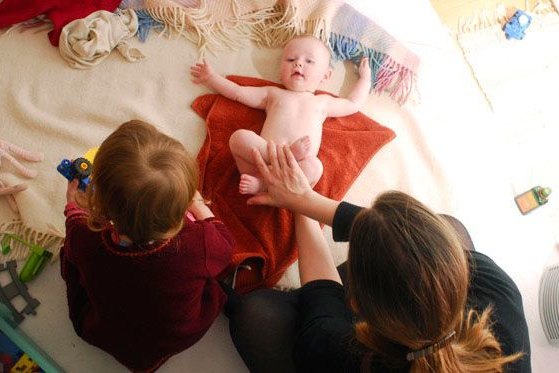
Gentle, rhythmic stroking of an infant’s skin has been a fixture of childcare in Indian homes for generations, a practice pediatricians agree can help babies relax, settle into sleep, and feel close to their parents. The documented benefits of this ancient ritual, however, extend beyond simple comfort, touching upon specific physiological and emotional outcomes for infant development.
Roots in Tradition
The tradition of infant massage is not new. Ayurvedic medicine in ancient India taught its use, and it was also encouraged in China during the Qing dynasty. In South Asia and other traditional settings, the practice is seen as more than a simple routine; it is believed to instill fearlessness, harden bone structure, and enhance movement. This approach is not limited to one region; infant massage is a regular practice in African countries, areas of the former Soviet Union, and is used in Western neonatal intensive care units for pre-term infants in stressful environments with limited tactile stimulation.
Documented Health Effects
Clinical research into infant massage has yielded mixed but specific results regarding physical growth. A 2013 Cochrane review found insufficient evidence to support massage therapy for full-term babies under 6 months to achieve physical growth. Similarly, a 2004 Cochrane review found the evidence insufficient to justify its use for that purpose in pre-term and low birth weight babies. For jaundice, a common condition in newborns, the evidence is more direct. Combined with conventional phototherapy, infant massage has been shown to improve bilirubin levels and act prophylactically against jaundice in healthy newborns.
Other physiological benefits have been observed. Studies have shown improvements in sleep quality in babies who received massage therapy. Research also indicates that infant massage can support motor development. It has been linked to advancements in locomotion, stationary abilities, reflexes, visual-motor coordination, and hand-eye coordination, benefits seen in both typically developing infants and those with conditions such as prematurity or Down syndrome. A randomized controlled trial found that routine parent-led massage during the first four months of life was associated with electroencephalographic (EEG) patterns consistent with advanced maturation of brain patterns compared with infants who did not receive massage.
The Bonding Component
The emotional and social benefits of infant massage are a significant part of its value. The practice has been associated with enhanced emotional and social development in both infants and caregivers. Regular massage can strengthen parent-infant bonding, fostering closer interaction and reinforcing emotional attachment. For caregivers, particularly mothers of preterm infants, the practice is often linked to reduced anxiety and depressive symptoms, along with increased confidence and satisfaction in their parenting.
Modern Application and Safety
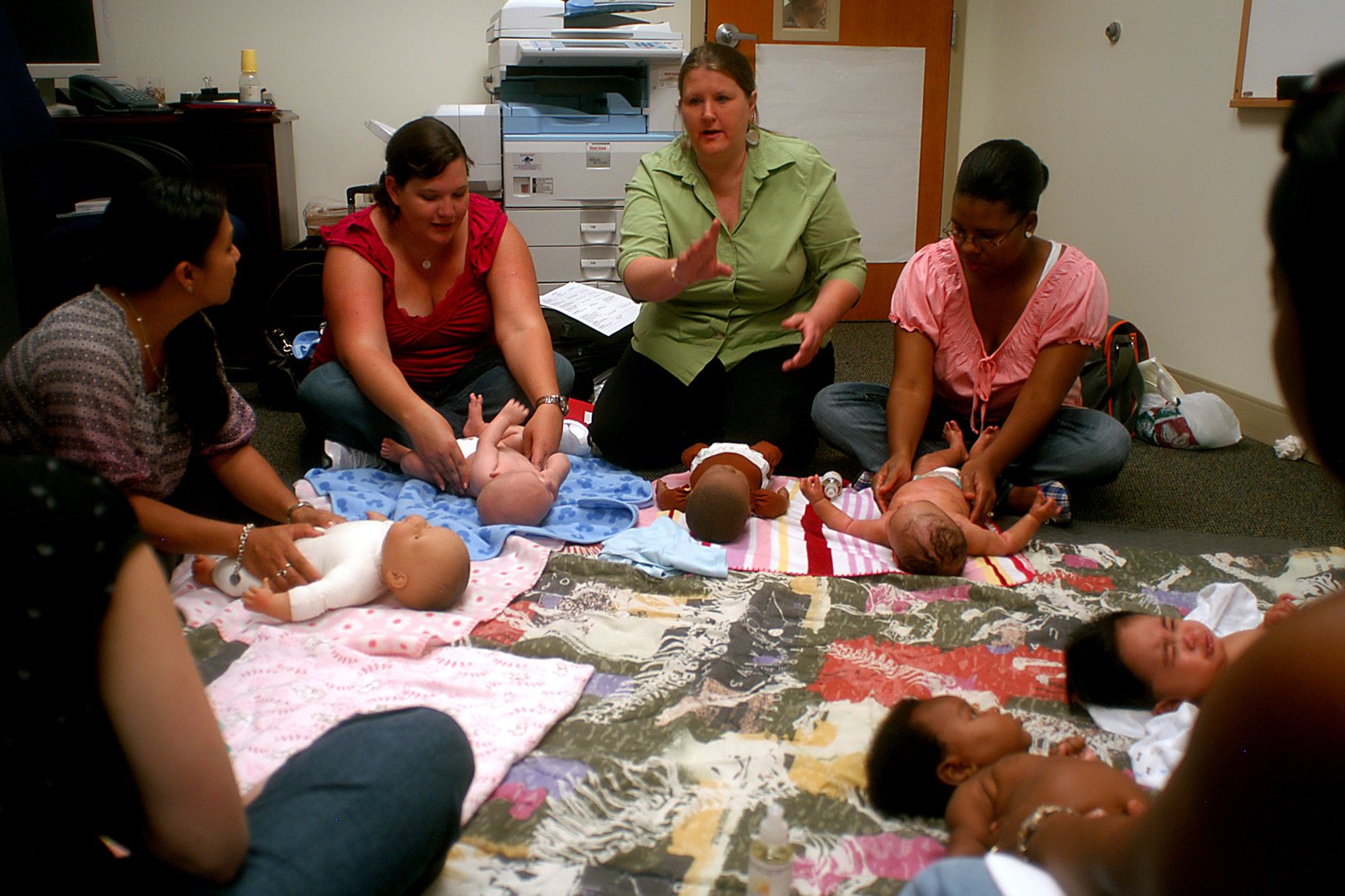
The tradition has found a modern foothold in parent education. Programs like “Baby University,” a free class offered by health systems in the United States, now include infant massage techniques as part of a curriculum for parents of babies 6 months or younger. The series, which covers topics like motor skills and feeding, is designed to empower parents with early intervention strategies. This educational push coincides with a growing market for natural baby products. The global baby oil market, valued at USD 1.5 billion in 2025, is projected to reach USD 2.1 billion by 2035, driven by a consumer shift toward natural, organic, and ethically sourced ingredients.
For all its benefits, safety is paramount. Pediatricians recommend specific guidelines to protect a baby’s delicate skin and developing body. Massaging should generally occur 30 to 45 minutes after a feed to avoid pressure on a full stomach, which may lead to spit-up or discomfort. Sessions should be kept to 10 to 15 minutes in a warm room, as babies lose body heat quickly. Because a baby’s skin absorbs much of what is applied, oils with minimal ingredients are the safer choice. Traditional coconut oil and organic, cold-pressed options are popular and gentle enough for daily use, whereas mustard oil can irritate an infant’s skin and is best avoided.
Sources
- 5 baby massage tips every new parent should know: Pediatrician explains the right oil, timing and gentle techniques to keep your baby's delicate skin safe and healthy
- Infant massage
- Normal for a newborn? This free class helps parents navigate life after birth
- Baby Oil Market To 2035: Natural and Organic Demand Drives Growth – News and Statistics – IndexBox
- Child dies of measles in Wisconsin's first such death since 1990
- Kim Jun-ho can’t reach pregnant wife Kim Ji-min… Calls his younger sister for help, then regrets it
Photo: Andreas Bohnenstengel (CC BY-SA 3.0 de)