The Liminal Space of Australian Graduation
For tens of thousands of Australian high-school graduates, the weeks following final examinations mark a specific cultural transition, often referred to as Schoolies. This week-long holiday, which typically occurs in late November and early December, functions as a rite of passage from youth to adulthood. The tradition dates back to the 1970s on Queensland’s Gold Coast, where it was reportedly inspired by American Spring Break events. What began as a local custom has evolved into a national phenomenon, with participants traveling to various tourist destinations across the country and overseas.
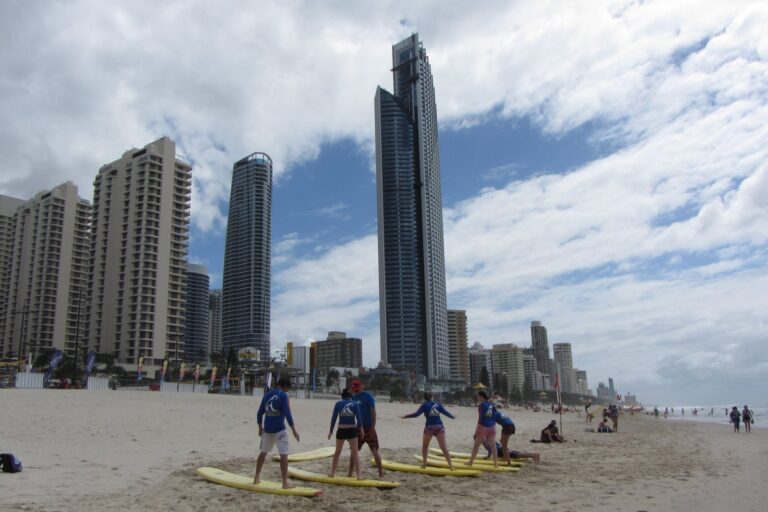
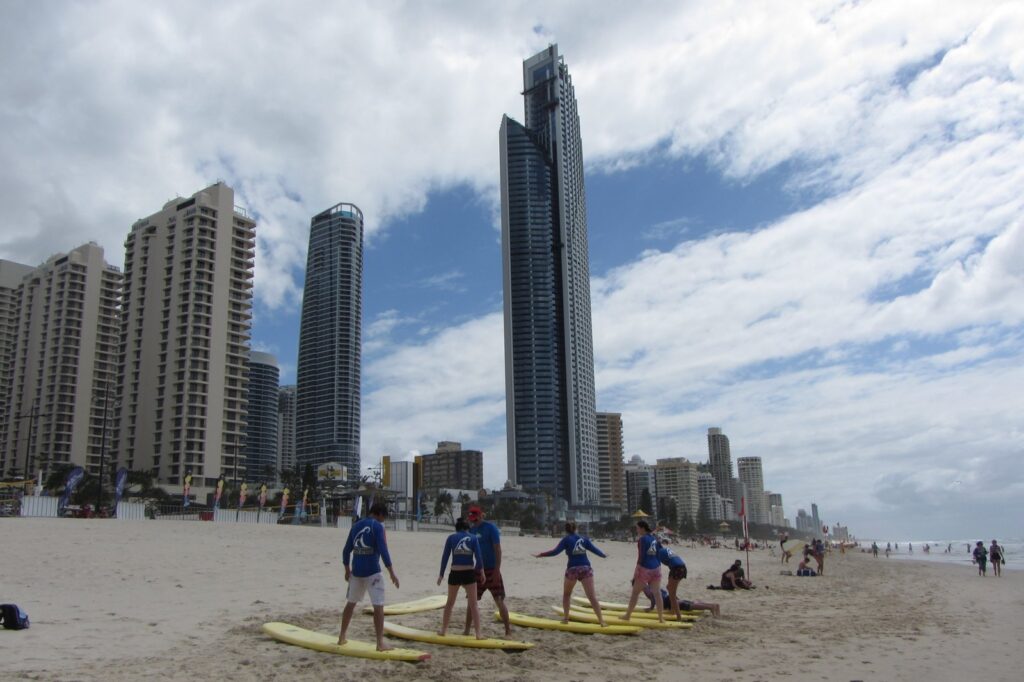
The event is characterized by what researchers describe as a “liminal space,” a period of freedom before the responsibilities of adulthood set in. While culturally significant, this transition period carries inherent risks. The demographic is not limited to current graduates; the cohort includes “Toolies,” older revellers who graduated in previous years, and “Foolies,” younger adolescents who have not yet completed high school. This mix of ages complicates safety dynamics, as the group includes both those of legal drinking age and those who are underage. The Gold Coast, particularly Surfers Paradise, remains the largest single venue for these celebrations, attracting participants primarily from Queensland and northern New South Wales.
Alcohol, Peer Pressure and Risk Management
Youth support organisation Red Frogs advises families to engage in open conversations regarding alcohol, personal safety, and communication before teenagers depart. The organisation warns against parents supplying alcohol to their teenagers, citing research that links this practice to increased risky behaviour. For participants aged 18 and over who choose to drink, Red Frogs recommends discussing the effects of alcohol and encouraging the selection of lower-strength options. The salient point here is that the environment is designed for celebration, but the physiological and social pressures can lead to poor decision-making if boundaries are not established beforehand.
Peer pressure is a central component of the Schoolies experience, given that it is viewed as a final party with schoolmates before they disperse. Experts emphasise that open dialogue about these social dynamics is critical. Parents are encouraged to take an interest in their teenager’s specific plans, listening to how they intend to celebrate. This is not about surveillance, but about establishing a shared understanding of the trip’s scope. The presence of non-graduates, such as Toolies and Foolies, means that social circles can be unpredictable, making pre-departure conversations about personal boundaries all the more important.
Practical Preparation and Safety Protocols
Red Frogs suggests that practical preparation complements verbal agreements. Parents are advised to help teenagers pack prepared meals and plenty of water to assist with self-care during a busy week of festivities. Staying with friends is recommended as a safety net, ensuring there is someone nearby if plans go awry. These measures provide a buffer against the disorientation that can come with a week of unstructured time away from home.
Communication protocols should be agreed upon before departure. Families are encouraged to establish a schedule for regular check-ins throughout the week. Teenagers should have emergency contacts saved in their phones, specifically Triple Zero (000) for immediate emergencies and Red Frogs’ 24-hour hotline (1300 557 123). For those travelling overseas, the Australian Government’s Smartraveller advice should be reviewed prior to departure to ensure awareness of local risks and protocols.
Support Networks and Volunteer Assistance
Red Frogs maintains a presence at 15 Schoolies destinations, both in Australia and overseas. Volunteers stationed at these locations provide welfare assistance, help young people get home safely if needed, and offer basic support such as cooking pancake breakfasts. This on-the-ground presence serves as a tangible safety net, offering a point of contact for teenagers who may feel overwhelmed or unsafe. The organisation also runs a Schoolies Advice for Parents Facebook group, providing a space for families to share information and peer support.
The scale of these events has grown significantly over the decades. In 2011, up to 40,000 students were expected to visit the Gold Coast, while in 2021, around 16,000 attended. Research conducted in 2003 estimated that Schoolies boosted the Gold Coast economy by $59 million. The tradition has spread to other locations, including the Sunshine Coast, Magnetic Island, Airlie Beach, Port Macquarie, Byron Bay, Victor Harbor, and various towns in Victoria and Western Australia. Internationally, Bali, Fiji, and Vanuatu are popular destinations, with some islands in Fiji dedicated entirely to schoolie celebrations.
External Disruptions and Current Context
The tradition is not immune to external disruptions. In 2020, the Queensland Government cancelled all Schoolies events due to the COVID-19 pandemic. In 2021, state borders remained closed, preventing inter-state participants from attending. These cancellations highlighted the vulnerability of the event to public health crises and government intervention. For the current cycle, the focus remains on individual and familial preparation to navigate the inherent risks of the week.
Parents seeking to prepare their teenagers should focus on actionable steps in the week before departure. This includes saving emergency numbers, discussing alcohol policies, and agreeing on check-in times. The goal is to foster independence while ensuring that clear safety boundaries are in place. By combining open communication with practical preparation and access to support networks, families can help teenagers navigate this significant cultural milestone more safely.
Sources
- Red Frogs shares Schoolies safety tips for parents
- Schoolies week
- Cape Cod Fishing Report- November 5, 2026 – On The Water
- learn something new – how to sing
Photo: Telluride749 (CC BY-SA 4.0)