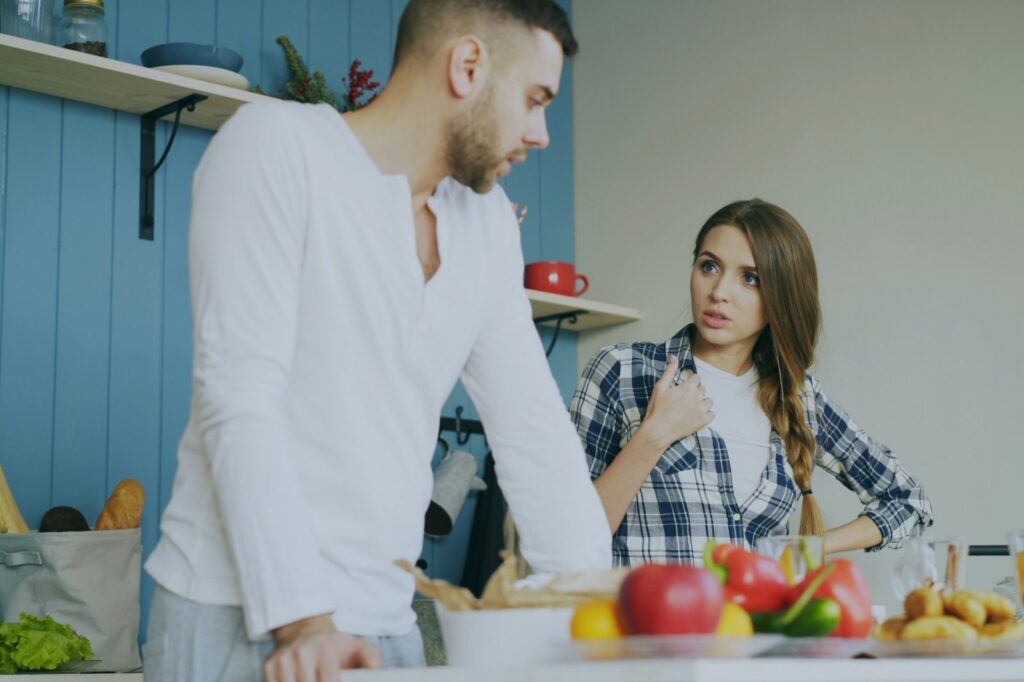
A reader writes that a partner’s permissive approach is pushing them out of their own home, a friction point that reflects a broader struggle over the emotional climate of the household. The tension stems from fundamentally different patterns of responsiveness and demand that partners bring to the daily work of raising children.
Understanding the Roots of Permissive Parenting
A parenting style is a pattern of behaviors, attitudes, and approaches that a parent uses when interacting with and raising their child. Researchers distinguish styles from specific practices; styles represent broader patterns that create an emotional climate for the child. Parents construct these styles from a combination of factors that evolve over time, shifting as children develop and even differing between siblings. A child’s temperament and the parents’ cultural patterns influence the style a child receives, and the parenting styles parents experienced as children shape the choices they make as adults.
How Clashing Discipline Styles Strain Relationships
When partners operate from divergent playbooks, the household absorbs the stress. One parent may view a boundary as a necessary structure while the other experiences it as rejection. In a recent case, a mother with severe ADHD asked her preteen daughter to move loud video calls to a bedroom, only to be accused of not loving the child. The guilt trip worked; the boundary collapsed. Permissive parenting affects not only parents within the household but also teachers who inherit the consequences of unenforced limits. The calculus changes when one partner consistently yields to avoid conflict, effectively ceding the disciplinary high ground and leaving the other parent isolated.
The History of Parenting Style Typologies
The framework for these clashes was codified in the 1960s. Diana Baumrind created a typology of three parenting styles: authoritative, authoritarian, and permissive or indulgent. She characterized the authoritative style as an ideal balance of control and autonomy. This typology became the dominant classification, later expanded to include a fourth category of indifferent or neglectful parenting. Different generations grew up with different parenting styles, ranging from strict households to more permissive ones, a generational layering that complicates modern partnerships. Critics have noted Baumrind’s categories are overly broad and her description of authoritative parenting is imprecise and idealized, prompting later researchers to focus on dimensions and the situational nature of decisions.
Navigating Household Conflicts Without Alienation
Contemporary research emphasizes that parenting styles interact with biological, social, and cultural factors; development is shaped by environmental and individual characteristics rather than style alone. Partners who recognize this complexity can depersonalize the conflict. The goal shifts from winning an argument to aligning on the emotional climate they want to build. That requires explicit negotiation about responsiveness and demands, not implicit assumptions carried from each partner’s family of origin.
Balancing Responsiveness and Boundaries
The literature distinguishes parenting practices—specific behaviors used to socialize children—from parenting style, the emotional climate in which those practices land. A boundary enforced with explanation signals something different than one enforced in anger. Veteran journalist Luchi Cruz-Valdes noted that when she disciplined her children, she explained why, ensuring they did not think, “Mom doesn’t love me.” The broader stakes are clear: children may inherit their parents’ attitudes, stories, and traumas, mirroring them in the next generation. As Tuesday Vargas observed, her generation learned to say sorry to their children, a shift in the emotional climate that requires both partners to row in the same direction.
Sources
- Parenting styles
- Mom Asks Her Teen Daughter To Stop Taking Loud Calls In Stores And The Living Room, But Wonders If She’s Wrong To Set That Boundary
- What makes someone a good parent?
- Measles, mumps and misinformation: how Crunchy Moms became ‘the most dangerous’ group on Facebook
Photo: Vitaly Gariev / Unsplash (Unsplash License)