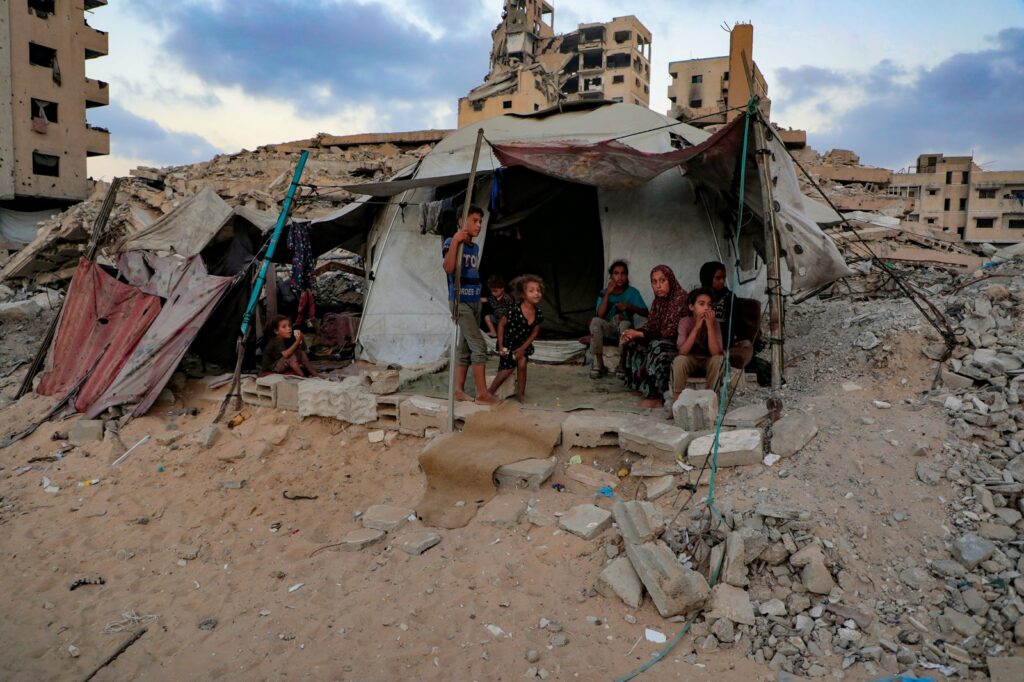
GAZA STRIP, November 8, 2026 — A recent study found that 67.4% of households in the Gaza Strip face severe housing insecurity after repeated displacement. The study, conducted between April 2 and August 4, 2026, across all five governorates, assessed the living arrangements and shelter conditions of 420 households.
Study Methodology And Key Findings
According to the study published in Frontiers in Sustainable Cities, the research used a convergent mixed-methods design, combining quantitative data from household surveys with qualitative evidence from semi-structured interviews and key informant interviews. The study found that 88.6% of households had been displaced at least once since October 2023, with 33.6% experiencing four or more displacement episodes. Furthermore, 42.9% of households reported complete residential destruction, and none reported having fully intact and accessible pre-war homes.
Displacement Patterns And Housing Destruction
The study revealed that displacement was an ongoing and unstable condition, with households relocating repeatedly due to military insecurity, evacuation instructions, and building destruction. At the time of data collection, displaced families had inhabited their current shelters for a median duration of 7.5 months, with 72.3% unsure when they could return to their homes. The study also found that 64.2% of households doubted their home neighborhoods would be habitable after hostilities ceased, and only 11.5% had clear information on the status of their pre-war properties.
Vulnerable Groups And Current Shelter Conditions
The research showed that female-headed households, households with disabled or chronically ill members, and those living in tents or informal sites were disproportionately affected by severe housing insecurity. The study found that 78.1% of households in tents or informal sites reported insufficient environmental protection, and 71.7% lacked access to adequate water and sanitation facilities. Additionally, 78.1% of respondents classified their current domestic accommodation as overcrowded, and 64.5% stated that excessive spatial density had triggered social tension and interpersonal conflict.
Call For Integrated Response
The study’s lead researcher, Faisal Yousef Sabah, emphasized the need for an integrated response to address the severe housing insecurity in the Gaza Strip. The study recommends a response that includes shelter, water, sanitation, and hygiene (WASH), health, protection, cash, livelihoods, documentation support, and longer-term rights-based housing recovery. As the situation in the Gaza Strip remains critical, with ongoing insecurity and restrictions, the need for a comprehensive and sustainable solution to the housing crisis is paramount. The study’s findings will be crucial in informing humanitarian efforts and policy decisions to address the complex housing needs of affected populations.
Sources
- Study Assesses Severe Housing Insecurity and Displacement Across the Gaza
- Frontiers | Housing insecurity, displacement, and the right to adequate housing in the Gaza Strip: a mixed-methods study amid protracted conflict
Photo: Mohammed Ibrahim / Unsplash (Unsplash License)