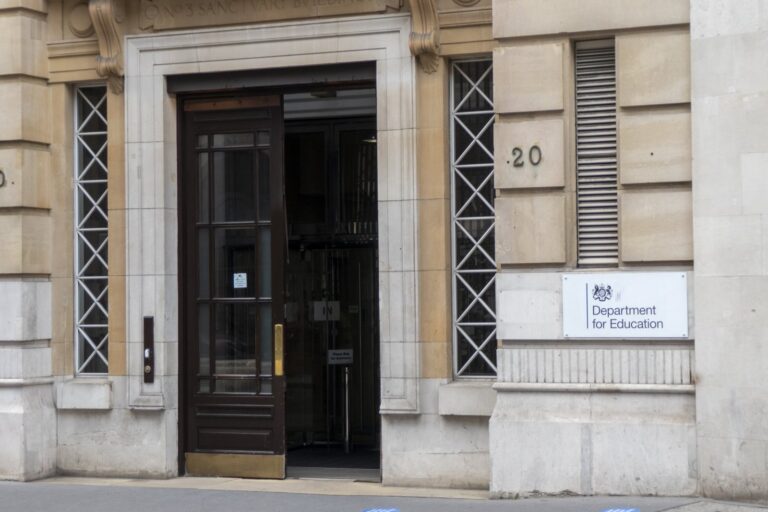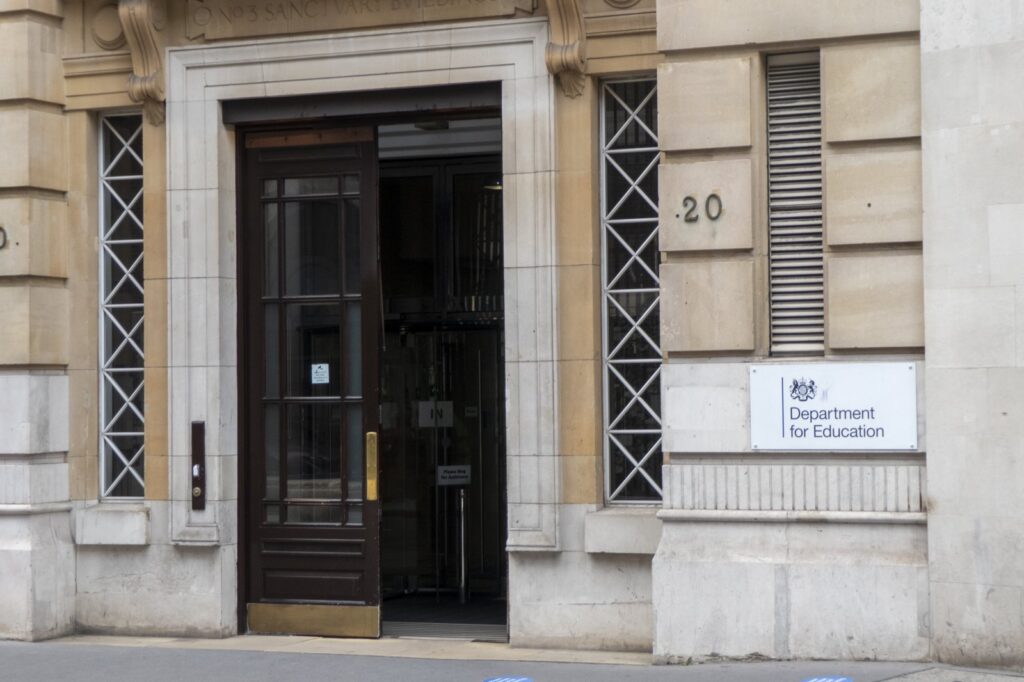
Pupils in England will not be allowed to have their phones on them at all during the school day under stricter government guidance set to take full effect from September 2027.
A Shift from ‘No See, No Hear’
Against this backdrop of growing concern over digital distraction, the new rules represent a decisive move away from the more lenient “no see, no hear” policies previously in place. Under that approach, phones could remain in pupils’ bags as long as they were not seen or heard, a practice ministers now deem insufficient. Statutory guidance making schools legally responsible for being phone-free throughout the day came into force in June, but the forthcoming changes will demand a total ban on phones being carried by students.
Enforcement Methods and Practicalities
With the new mandate, schools will be empowered to decide on the most effective method for enforcement. Some institutions have already begun investing in infrastructure, such as sealed pouches or secure lockers, to manage the devices. Other schools may opt to collect phones at the start of the day or prohibit them from the school site altogether. This flexibility allows for a range of practical solutions to manage the daily implementation of the policy.
Focus on Learning and Friendship
The government’s position is clear: school is for learning and friendship, not scrolling. Education Secretary Lucy Powell has stated that access to phones risks pulling children away from their learning and from each other. This perspective frames the ban not merely as a disciplinary measure, but as an effort to protect the core purpose of the school environment by minimising digital interruptions and encouraging face-to-face social interaction.
The Cost of Compliance
However, in the corridors of school leadership, the practical and financial implications of the stricter rules are a significant source of concern. Head teachers’ unions have warned that implementing robust new policies will be a costly undertaking without additional government funding. Paul Whiteman, general secretary of the NAHT school leaders union, acknowledged that phones can be an unhelpful distraction but cautioned that more robust measures come at a cost. Pepe Di’Iasio, general secretary of the Association of School and College Leaders, echoed these sentiments, stating that school leaders cannot simply make mobile phones disappear and that the cost of providing secure storage for every pupil would be very significant indeed.
A Clearer Path Forward
The new guidance, while presenting challenges, has also been welcomed by some as a step in the right direction. Dame Rachel de Souza, Children’s Commissioner for England, welcomed strong action to stop phones from disrupting the school day. Charlotte Ashton, co-founder of the campaign group Generation Focus, similarly praised the changes, arguing that “no see, no hear” policies were not working and pupils were still “TikToking in the toilets”. The policy is scheduled to come into force from September 2027.
Sources
- Phones to be banned from pupils' bags or pockets under new rules
- Education in England
- Teaching GCSE topics younger risks turning schools into ‘early exam factories’, Powell warns
- Lucy Powell Moves to End Early GCSE Teaching in England's Secondary Schools
- Anti-fraud lessons rolled out across schools in England
- Phones to be banned from pupils' bags or pockets under new rules
Photo: Sebastiandoe5 (CC BY-SA 4.0)